
“When you eat in harmony with your hormones, energy flows effortlessly.”
The follicular phase begins right after your period and lasts until ovulation (around Day 6 to Day 14 of an average 28-day cycle). During this time, estrogen levels gradually rise, stimulating follicle growth in the ovaries and improving your overall mood, metabolism, and brain clarity.
According to PubMed studies (PMID: 33282314), rising estrogen supports increased brain activity, sharper focus, and better glucose utilization meaning your body efficiently converts food into energy. This is the perfect time to eat fresh, colorful, and nutrient-dense lunches that help sustain energy without afternoon fatigue.
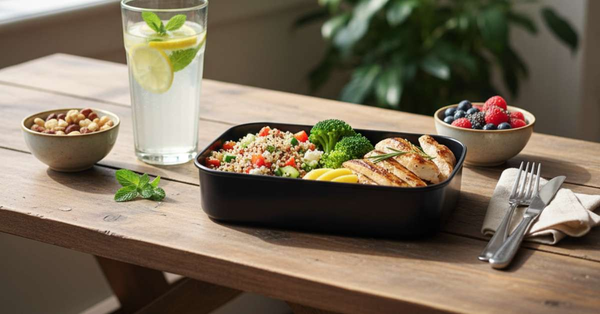
Midday meals have a major role in stabilizing hormones. During this phase, your metabolism speeds up slightly, and your brain’s demand for glucose rises. A balanced lunch with complex carbohydrates, lean protein, and healthy fats fuels sustained focus through the afternoon.
The NHS recommends including iron-rich foods, leafy vegetables, and fiber to maintain stable energy and prevent mid-day slumps.
Iron: Supports oxygen transport to the brain and reduces post-period fatigue. Sources: Spinach, chickpeas, jaggery, and lentils.
B Vitamins: Aid in converting food into energy and enhance neurotransmitter balance. Sources: Whole grains, eggs, and leafy greens.
Magnesium: Reduces stress and supports steady concentration. Sources: Pumpkin seeds, almonds, and avocados.
Omega-3 fatty acids: Improve focus and cognitive function. Sources: Walnuts, flaxseeds, and chia seeds.
Protein: Helps stabilize blood sugar and supports muscle repair. Sources: Paneer, tofu, lentils, and Greek yogurt.
A good lunch during this phase should be:
Colorful: Filled with vegetables and antioxidants to reduce inflammation.
Protein-rich: Keeps hunger stable and supports hormone synthesis.
Fiber-filled: Maintains steady blood sugar and digestive health.
Hydrating: Includes water-rich foods like cucumber and curd to prevent afternoon fatigue.
Cooked quinoa mixed with sautéed spinach, bell peppers, and paneer cubes.
Add olive oil, lemon juice, and flaxseeds for a hormone-friendly dressing. Why it works: Quinoa provides slow-releasing energy, spinach adds iron, and flaxseeds balance estrogen.
Moong dal, brown rice, carrots, and peas cooked together with minimal spices.
Serve with curd and cucumber salad. Why it works: This easy-to-digest meal supports gut health and provides steady energy for hours.
Whole wheat roti filled with grilled tofu, lettuce, beetroot, and avocado spread.
Add a sprinkle of pumpkin seeds. Why it works: Balanced protein, fiber, and healthy fats that improve focus and mood.
Boiled chickpeas mixed with tomatoes, cucumber, onions, and a dash of olive oil.
Add a boiled egg or paneer cubes for extra protein. Why it works: High in iron, fiber, and protein, this salad keeps blood sugar stable.
Made with foxtail millet, peas, beans, and curry leaves.
Pair with coconut chutney or curd. Why it works: Millets regulate blood sugar, while vegetables add antioxidants and vitamins.
Eat at regular intervals: Helps maintain steady glucose and prevents hormonal dips.
Avoid processed foods: They trigger inflammation and brain fog.
Stay hydrated: Mild dehydration reduces focus and productivity.
Add herbs like turmeric and cumin: They support liver detox, essential for estrogen balance.
PubMed research (PMID: 35589123) shows that consistent intake of plant-based proteins and omega-3s during the follicular phase enhances mental clarity and lowers fatigue scores.
Meal | Example | Key Benefit |
Breakfast | Oatmeal with flaxseed, banana, and yogurt | Improves mood and hormone balance |
Mid-morning snack | A handful of walnuts or roasted chickpeas | Boosts focus and reduces sugar cravings |
Lunch | Quinoa-spinach bowl with paneer and curd | Provides protein and steady energy |
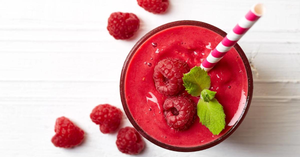
Evening snack | Fruit smoothie with chia seeds | Keeps blood sugar balanced |
Dinner | Vegetable dal with brown rice | Helps recovery and relaxation |
Add lemon to meals: Vitamin C improves iron absorption and combats post-period fatigue.
Eat in calm surroundings: Stress during meals affects digestion and nutrient uptake.
Keep lunch light yet balanced: Overeating can cause sluggishness; smaller portions keep your mind active.
Include probiotic foods: Curd, buttermilk, and fermented foods improve gut health, indirectly boosting brain function.
According to NHS Nutrition Guidelines (2024), women in the follicular phase benefit from diets rich in plant-based proteins, complex carbohydrates, and healthy fats for stable energy. The PubMed journal on reproductive nutrition (PMID: 35192932) also links balanced estrogen levels with improved mental clarity and reduced cognitive fatigue when iron and omega-3 intake are optimal.
The follicular phase is a time of renewal, creativity, and growth. The right lunch choices during this phase can enhance your productivity, focus, and overall vitality. Think fresh salads, iron-rich grains, and hormone-balancing fats. These foods not only nourish your body but also align your energy with your cycle’s natural rhythm.
Balanced nutrition here sets the tone for a smoother ovulatory and luteal phase ahead. Eat mindfully, hydrate often, and let your meals become a tool for both focus and joy.
Dr. Akanksha is a dedicated dental professional and health educator who believes that healthcare goes beyond treatment-it is about creating awareness, building trust, and empowering individuals to make informed decisions about their well-being. Alongside her clinical expertise in dentistry, she is deeply passionate about public health education, with a special focus on menstrual health, hygiene, and women's wellness.
About PeriodSakhi
PeriodSakhi is your trusted companion for understanding your menstrual health. With easy-to-use tools, it helps you track your periods, ovulation, fertility, moods, and symptoms, while providing insights into your overall reproductive and hormonal health. PeriodSakhi also serves as a supportive online community where women can share experiences, find reliable information, and access expert-backed guidance on menstrual health, PCOS, pregnancy, lifestyle, and more.
Disclaimer
The views, thoughts, and opinions expressed in this article/blog are solely those of the author and do not necessarily reflect the views of PeriodSakhi. Any omissions, errors, or inaccuracies are the responsibility of the author. PeriodSakhi assumes no liability or responsibility for any content presented. Always consult a qualified medical professional for specific advice related to menstrual health, fertility, pregnancy, or related conditions.