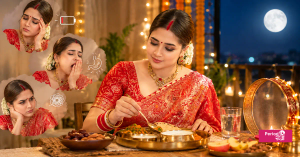

As the Maghrib azaan echoes, your body has already been fasting for many hours. If you are on your period, your uterus has been contracting gently throughout the day. By Iftaari time, many women feel bloated, crampy, and irritable.
The first few bites you take matter more than you realize.
Menstrual cramps are caused by prostaglandins, hormone-like substances that trigger uterine contractions. Stronger contractions reduce blood flow temporarily to uterine muscle, causing pain.
When you fast, your body loses water through breathing, sweating, and normal metabolism. Even mild dehydration can increase muscle irritability and worsen cramping.
Electrolytes are minerals such as sodium, potassium, magnesium, and chloride that regulate fluid balance and muscle contraction. Without proper balance, muscles, including the uterus, may contract more painfully.
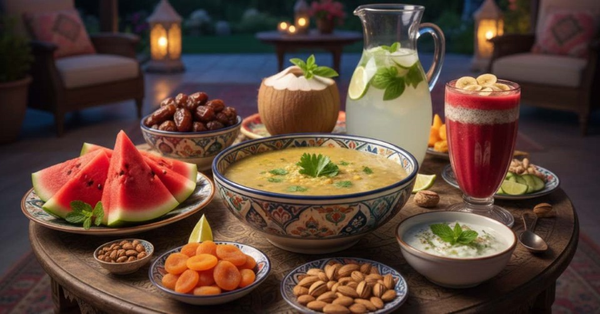
Traditionally, many people break their fast with dates. This is not just cultural wisdom. Dates provide natural sugars for quick energy, potassium for muscle function, and small amounts of magnesium.
Potassium plays a role in muscle relaxation. Low potassium can contribute to cramping. Magnesium helps regulate smooth muscle contraction.
Coconut water is another gentle rehydration option. It naturally contains potassium and small amounts of sodium, helping restore electrolyte balance.
Fruit options such as watermelon, muskmelon, and oranges add both hydration and vitamin C.
The mistake many make is overeating fried snacks immediately. Heavy, oily food delays gastric emptying, increases bloating, and worsens discomfort.
A better structure for period days:
Step one: Break fast with 1–2 dates and water or coconut water.Step two: Wait a few minutes. Allow blood sugar to stabilize.Step three: Have fruit chaat with a pinch of black salt.Step four: Move to a light meal such as khichdi, dal, or grilled protein.
Salty foods in moderate amounts help replace sodium lost through sweat. But excessive salt can increase water retention and bloating.
Before menstruation, progesterone slows digestion. During periods, prostaglandins can affect the intestines, leading to loose motions or gas in some women.
If you overload your stomach at Iftaari, the already sensitive gut reacts strongly.
Gentle digestion supports uterine comfort.
Do not try to drink large amounts of water at once. Spread hydration between Iftaari and bedtime.
A simple method: one glass at Iftaari, one with dinner, one before sleep.
If cramps are severe, applying warmth to the lower abdomen and gentle stretching can improve blood flow.
Severe cramps that cause vomiting, fainting, or inability to function may indicate conditions like endometriosis or adenomyosis. If pain disrupts daily life consistently, consult a gynecologist.
The American College of Obstetricians and Gynecologists emphasizes that menstrual pain interfering with routine activities deserves medical evaluation.
Short Takeaway: Start Iftaari with hydrating, potassium-rich foods like dates and coconut water. Avoid heavy fried snacks initially. Balanced electrolytes mean calmer muscles.
Fun Fact: The uterus is a muscle roughly the size of a small pear, but during cramps, its pressure can temporarily exceed that of labor contractions in intensity.
Dr. Akanksha is a dedicated dental professional and health educator who believes that healthcare goes beyond treatment-it is about creating awareness, building trust, and empowering individuals to make informed decisions about their well-being. Alongside her clinical expertise in dentistry, she is deeply passionate about public health education, with a special focus on menstrual health, hygiene, and women's wellness.
About PeriodSakhi
PeriodSakhi is your trusted companion for understanding your menstrual health. With easy-to-use tools, it helps you track your periods, ovulation, fertility, moods, and symptoms, while providing insights into your overall reproductive and hormonal health. PeriodSakhi also serves as a supportive online community where women can share experiences, find reliable information, and access expert-backed guidance on menstrual health, PCOS, pregnancy, lifestyle, and more.
Disclaimer
The views, thoughts, and opinions expressed in this article/blog are solely those of the author and do not necessarily reflect the views of PeriodSakhi. Any omissions, errors, or inaccuracies are the responsibility of the author. PeriodSakhi assumes no liability or responsibility for any content presented. Always consult a qualified medical professional for specific advice related to menstrual health, fertility, pregnancy, or related conditions.