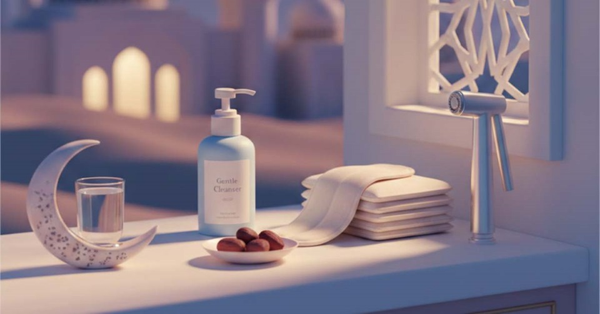

An imaginary but familiar scene
It is early afternoon in Ramzan. The house is quiet. The fan hums softly. A woman sits on her bed, a warm water bottle resting on her lower abdomen. She is on the second day of her period. There is a slight heaviness in her body, mild cramps, and a quiet sense of being out of rhythm with the rest of the household that is fasting. She wonders if she should delay changing her pad a little longer to avoid frequent washing. She tells herself it can wait.
This moment is more common than we admit. And medically, it is exactly where gentle awareness matters most.
Menstruation naturally increases moisture, warmth, and blood exposure in the genital area. These conditions can encourage the growth of bacteria and fungi if hygiene is neglected. During Ramzan, certain factors can further increase the risk:
Reduced fluid intake
Long hours in the same clothing
Warm weather and sweating
Hesitation to use washrooms frequently
Emotional discomfort or secrecy
From a medical perspective, intimate hygiene during menstruation is preventive care, not cosmetic care. It protects against infections, rashes, itching, and urinary problems.
The vagina is a self-cleaning organ with a naturally acidic pH. This acidity protects against harmful bacteria. During periods, blood temporarily alters this balance, making the area more vulnerable.
Using incorrect hygiene practices can disturb this natural protection and lead to:
Itching and irritation
Foul-smelling discharge
Urinary tract infections
Recurrent vaginal infections
The goal is to support the body’s natural balance, not disrupt it.
Pads should be changed every 4 to 6 hours, even if bleeding seems light. Prolonged use increases moisture and bacterial growth.
Menstrual cups, if used, should be emptied and cleaned as recommended. Hygiene should never be compromised to avoid inconvenience.
Wash the external genital area with plain water. If a cleanser is used, it should be mild, unscented, and pH balanced.
Avoid:
Strong soaps
Antiseptic liquids
Vaginal washes or douching
These products disturb healthy vaginal bacteria and increase infection risk.
During Ramzan, women may spend long hours sitting, resting, or attending family gatherings. Prolonged dampness can cause rashes and discomfort.
Helpful practices include:
Changing pads before long sitting periods
Keeping the area dry
Wearing breathable cotton underwear
Avoiding tight clothing
Skin irritation is not a sign of poor hygiene alone. It is often a sign of delayed care.
Many women underestimate how hydration affects intimate health. Reduced water intake can lead to concentrated urine, increasing the risk of urinary infections and burning sensation.
Even if you are not fasting:
Drink water regularly
Do not delay urination
Avoid holding urine for long periods
Urinary hygiene is closely linked to menstrual hygiene.
A mild smell during periods is normal due to blood and moisture. Strong, foul, or fishy odor is not.
Do not try to mask odor with:
Perfumed sprays
Talcum powders
Scented wipes
These worsen irritation.
Instead:
Change pads frequently
Wash gently with water
Keep the area dry
If abnormal odor persists, medical evaluation is needed.
Many women hesitate to change pads at night to avoid disturbed sleep. Medically, this can increase the risk of rashes and infections.
Night-time tips:
Use an appropriate night pad
Change before sleeping and immediately after waking
Wear loose cotton clothing
Comfort at night improves recovery and sleep quality.
Some common but harmful practices include:
Reducing pad changes to avoid frequent washing
Using antiseptics inside the vagina
Avoiding baths altogether
Wearing the same underwear all day
Ignoring itching or burning
These habits often come from modesty or discomfort, not negligence. Awareness corrects them.
Feeling rushed, guilty, or uncomfortable can make women neglect basic care. Stress increases sweating and alters immune responses, making infections more likely.
Creating a calm routine helps:
Set reminders for pad changes
Keep hygiene supplies accessible
Normalize rest and care
Self-care during periods is not selfish. It is preventive medicine.
Consult a healthcare professional if you notice:
Persistent itching or burning
Thick, curdy, or foul-smelling discharge
Pain during urination
Rashes that do not heal
Fever or pelvic pain
Early treatment prevents complications.
That woman sitting quietly with the warm water bottle eventually stands up. She changes her pad. She washes gently. She feels slightly lighter, not just physically, but mentally.
“Taking care of your body during periods is not a break from dignity. It is an act of respect toward yourself.”
Maintaining intimate hygiene during periods in Ramzan does not require complicated routines or expensive products. It requires awareness, gentleness, and consistency. Your body carries you through devotion, discipline, and daily life.Caring for it during menstruation is not optional.It is essential.
Dr. Akanksha is a dedicated dental professional and health educator who believes that healthcare goes beyond treatment-it is about creating awareness, building trust, and empowering individuals to make informed decisions about their well-being. Alongside her clinical expertise in dentistry, she is deeply passionate about public health education, with a special focus on menstrual health, hygiene, and women's wellness.
About PeriodSakhi
PeriodSakhi is your trusted companion for understanding your menstrual health. With easy-to-use tools, it helps you track your periods, ovulation, fertility, moods, and symptoms, while providing insights into your overall reproductive and hormonal health. PeriodSakhi also serves as a supportive online community where women can share experiences, find reliable information, and access expert-backed guidance on menstrual health, PCOS, pregnancy, lifestyle, and more.
Disclaimer
The views, thoughts, and opinions expressed in this article/blog are solely those of the author and do not necessarily reflect the views of PeriodSakhi. Any omissions, errors, or inaccuracies are the responsibility of the author. PeriodSakhi assumes no liability or responsibility for any content presented. Always consult a qualified medical professional for specific advice related to menstrual health, fertility, pregnancy, or related conditions.