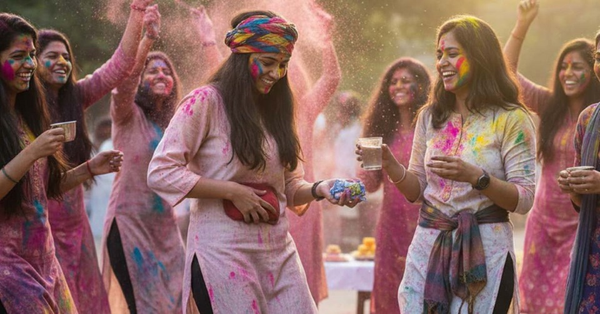

Holi is loud. It is bright. It is messy. It is joyful.
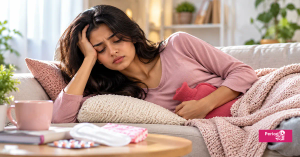
And sometimes, it arrives exactly when your uterus decides to shed its lining. If you are dealing with cramps, bloating, or heavy flow while everyone around you is planning colour battles and gujiyas, you might feel irritated before the day even begins. But menstruation does not mean isolation. It simply means smarter planning. Let us approach Holi like a clinician would understand the physiology, respect the body, and prepare thoughtfully.
During menstruation, prostaglandins are released from the uterine lining. These chemicals trigger contractions that help expel blood and tissue. Stronger contractions can temporarily reduce blood flow to the uterine muscle, causing cramps.
At the same time, estrogen and progesterone levels are low. This hormonal dip can make you feel fatigued, emotionally sensitive, or low on motivation. Add dehydration, irregular meals, and physical exertion from playing Holi and cramps may intensify. So the goal is simple: reduce inflammation, maintain hydration, support hygiene, and prevent leaks.
Holi involves water, sweat, movement, and sometimes hours outdoors. Your product choice matters.
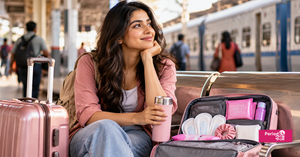
If you are comfortable using menstrual cups, they are one of the most secure options during active days. A properly inserted cup creates a seal and can hold more fluid than a standard pad or tampon, depending on size. Tampons can also work well, especially for swimming or water-based play. Ensure you change them every 4–6 hours to reduce infection risk.
If you prefer pads, choose high-absorbency, long-length variants with good adhesive support. Consider wearing snug cotton shorts underneath for extra security. Whatever you choose, carry a small pouch with spare products and wipes. Planning reduces anxiety, and anxiety itself can worsen cramps.
Holi colours are often synthetic. Many contain chemical dyes, heavy metals, and artificial fragrances that can irritate skin and mucosal areas.
The vulvar skin is delicate. During periods, the area is already moist and more sensitive.
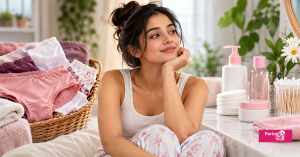
Before stepping out, apply a thin layer of coconut oil or a mild barrier cream on inner thighs and external genital skin. This reduces friction and prevents colour from sticking aggressively. Wear breathable cotton underwear. Avoid tight synthetic leggings for long hours, especially if you are using pads. After returning home, change immediately. Do not sit in damp clothes. Wash gently with lukewarm water. Avoid harsh intimate washes. The vagina is self-cleaning; external cleaning is sufficient.
According to guidance from the World Health Organization, excessive use of perfumed products in the genital area can disrupt natural microbial balance and increase infection risk.
Simple is safe.
Do not wait for pain to escalate.
If you usually experience moderate to severe cramps, you may take a non-steroidal anti-inflammatory drug such as mefenamic acid or ibuprofen as prescribed by your doctor, ideally at the onset of pain rather than after it becomes severe.
Heat therapy works beautifully. Before leaving home, apply a heating pad for 15–20 minutes to relax uterine muscles. If cramps worsen later, take a short break indoors. Gentle stretching in the morning improves pelvic blood flow. Even five minutes of hip circles and forward bends can reduce discomfort. Hydration is critical. Dehydration increases muscle irritability. Drink water before heading out and continue sipping during the day.
Dark colours are your best friend. They camouflage accidental stains and reduce stress about visibility. Choose loose cotton kurtas or T-shirts with comfortable bottoms. Avoid very light fabrics if your flow is heavy. Layering can help. Wearing cycling shorts under loose palazzos provides both coverage and confidence. Confidence reduces muscle tension. Less tension often means less perceived pain.
Low blood sugar worsens fatigue and irritability. Eat a balanced breakfast with protein and complex carbohydrates before stepping out.
For example: vegetable poha with peanuts, boiled eggs with multigrain toast, or curd with fruits and nuts.
Avoid skipping meals. Holi sweets are tempting, but relying only on sugar causes energy crashes.
Magnesium-rich foods like nuts and seeds may help muscle relaxation. Some evidence suggests magnesium can support menstrual comfort, as discussed in nutritional guidance summaries by the National Institutes of Health. Even if you indulge in festive treats, balance them with water and proper meals.
If your flow is particularly heavy on day one or two, plan shorter play sessions. Take bathroom breaks every few hours.
Heavy menstrual bleeding is medically defined as soaking through one pad or tampon every one to two hours consistently. If that happens regularly, it deserves evaluation by a gynecologist.
Emotional Permission Matters Too.
Sometimes the pressure is not physical but social. You may feel guilty for wanting to rest. Or you may feel forced to participate fully. It is okay to modify your celebration. Join for an hour. Play with dry colours instead of water balloons. Sit and enjoy music if cramps are intense. Pain is not a test of resilience. Menstruation is not impurity. It is physiology.
When to Avoid Playing Altogether
If you have severe dysmenorrhea, endometriosis, fainting episodes during periods, or anemia with significant weakness, resting may be wiser. Festivals return every year. Your body does not give unlimited warnings.
Plan your menstrual product, hydrate well, protect sensitive skin from synthetic colours, manage cramps early, and dress comfortably. Smart preparation lets you enjoy Holi without compromising health. The uterus is a smooth muscle organ roughly the size of a small pear, but during menstruation it contracts rhythmically to shed its lining; a natural process that continues quietly even while you are dancing in colour.
Dr. Akanksha is a dedicated dental professional and health educator who believes that healthcare goes beyond treatment-it is about creating awareness, building trust, and empowering individuals to make informed decisions about their well-being. Alongside her clinical expertise in dentistry, she is deeply passionate about public health education, with a special focus on menstrual health, hygiene, and women's wellness.
About PeriodSakhi
PeriodSakhi is your trusted companion for understanding your menstrual health. With easy-to-use tools, it helps you track your periods, ovulation, fertility, moods, and symptoms, while providing insights into your overall reproductive and hormonal health. PeriodSakhi also serves as a supportive online community where women can share experiences, find reliable information, and access expert-backed guidance on menstrual health, PCOS, pregnancy, lifestyle, and more.
Disclaimer
The views, thoughts, and opinions expressed in this article/blog are solely those of the author and do not necessarily reflect the views of PeriodSakhi. Any omissions, errors, or inaccuracies are the responsibility of the author. PeriodSakhi assumes no liability or responsibility for any content presented. Always consult a qualified medical professional for specific advice related to menstrual health, fertility, pregnancy, or related conditions.