
Menstruation arrives with its own set of surprises. For many women, bloating feels like wearing a tight coat that does not fit. Clothes cling. My stomach feels gassy. Everything seems heavier. This happens because fluctuating hormones can make the body retain extra water and slow down digestion. Choosing the right foods during your period can gently undo that pressure and help you feel lighter.
Right before and during your period, progesterone levels drop and estrogen levels can fluctuate. These changes:
Increase water retention in tissues.
Slow down gut movement leading to gas buildup.
Make cravings rise, especially salty and sugary foods that worsen bloating.
A mindful approach to food can calm the stomach. Meals rich in water, potassium, magnesium, fiber, and probiotics can reduce swelling and make digestion smoother.
Stay well hydrated to prevent water retention.
Eat foods rich in potassium to balance sodium levels.
Choose fiber from fruits, vegetables, and whole grains to improve bowel movements in a gentle way.
Include probiotics to ease gas formation.
Limit very salty snacks, carbonated drinks, and deep-fried items, which trap gas and cause heaviness.
These principles shape the meals listed below.
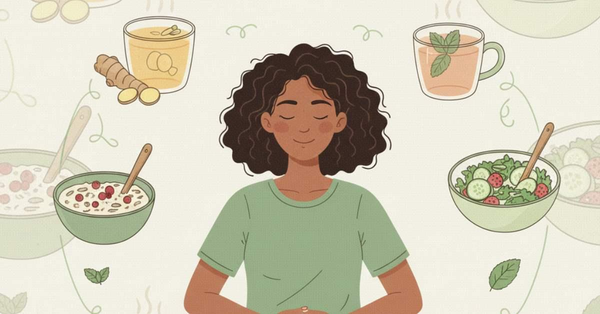
A glass of warm water with lemon can stimulate digestion. Adding a few cucumber slices brings a cooling effect and additional hydration. Drinking this at the start of the day encourages the body to flush excess water.
Pair it with a small breakfast like yogurt or fruit to keep blood sugar steady.
Papaya contains a natural enzyme, papain, which supports digestion. Yogurt with live cultures encourages healthy gut bacteria. Together, they help reduce gas and move bowels regularly.
A bowl of plain yogurt with fresh papaya tastes refreshing and fits well even when appetite is low.
Khichdi is soft on the stomach and rich in both protein and fiber. Moong dal does not cause excess gas like some other lentils. Ginger has natural anti-inflammatory compounds that relieve stomach cramps and bloating.
A small bowl during lunch or dinner can calm discomfort without feeling too heavy.
Bananas provide potassium that helps balance extra sodium. Spinach supports iron levels, helpful during periods when blood loss happens. Blending them with a small amount of curd or plain milk makes a nutritious drink that reduces bloating while boosting energy.
Use ripe bananas to avoid additional gas.
Coconut water is naturally rich in electrolytes like potassium and magnesium. These minerals help regulate water balance. Pairing coconut water with hydrating fruits such as watermelon or oranges creates a light meal that refreshes the body and reduces swelling.
This works well as a breakfast or a mid-morning meal.
Oats contain a soluble fiber called beta-glucan, which keeps digestion smooth. Chia seeds absorb water, supporting bowel movement and preventing constipation-related bloating. Warm milk adds comfort and calcium.
Choose plain oats instead of flavored packets, which often contain excess sugar.
Broken wheat provides important fiber that keeps the stomach active. Adding vegetables like carrots, beans, and zucchini helps reduce inflammation and supports easy digestion. Steaming keeps the meal oil-light, preventing unnecessary heaviness.
A little turmeric can further reduce bloating thanks to its soothing properties.
Peppermint tea helps relax the gut muscles and reduces trapped gas. Chamomile tea calms the digestive system as well as the mind. Ginger tea reduces inflammation in the stomach.
Pair herbal teas with a small snack like a banana or rice cake instead of fried items, which slow digestion.
A bowl of soup with pumpkin, bottle gourd, spinach, and a touch of ginger warms the belly and supports hydration. Light broth meals help the gut rest while still providing essential nutrients.
Soups are nature’s gentle medicine for bloating.
Protein keeps blood sugar stable and prevents cravings for salty snacks. Grilled paneer or tofu is easier to digest than heavy curries. Pair with a salad of cucumber, lettuce, capsicum, and a squeeze of lemon for a refreshing meal that helps release excess fluid.
Avoid too much oil or high-salt dressings, which make the stomach swell again.
Poha is light, non-gassy, and easy to cook. Green peas and peanuts add fiber and protein. A sprinkle of coriander and lemon increases vitamin C and improves digestion.
This works well as a quick dinner for low-energy days.
Increase intake of water-rich foods such as cucumber, tomatoes, bottle gourd, and watermelon. These ingredients naturally flush out excess sodium.
Select potassium-rich choices such as bananas, coconut water, sweet potatoes, and leafy greens to minimize water retention.
Choose whole grains over refined flour because fiber supports smooth digestion.
Include ginger, fennel seeds, or jeera in meals. These spices ease abdominal gas without irritation.
Limit beans like rajma and chole during your period if they tend to trigger bloating. You can enjoy them again once your digestion feels normal.
Avoid packaged snacks or fast foods that carry too much salt. Salt holds onto water inside the tissues, making bloating worse.
Drink water regularly throughout the day. Often the body holds water only when it feels dehydrated.
Most menstrual bloating goes away within the first few days of bleeding. However, if bloating is persistent, severe, or accompanied by intense pain, vomiting, or significant changes in bowel habits, it is important to consult a doctor. Underlying issues like irritable bowel syndrome, endometriosis, or food intolerances may need special management.
Period bloating can make simple days feel frustrating. Choosing quick, balanced meals supports digestion, relieves swelling, and gives comfort from within. Think of these foods as a soft blanket for your stomach during a sensitive time.
Dr. Akanksha is a dedicated dental professional and health educator who believes that healthcare goes beyond treatment-it is about creating awareness, building trust, and empowering individuals to make informed decisions about their well-being. Alongside her clinical expertise in dentistry, she is deeply passionate about public health education, with a special focus on menstrual health, hygiene, and women's wellness.
About PeriodSakhi
PeriodSakhi is your trusted companion for understanding your menstrual health. With easy-to-use tools, it helps you track your periods, ovulation, fertility, moods, and symptoms, while providing insights into your overall reproductive and hormonal health. PeriodSakhi also serves as a supportive online community where women can share experiences, find reliable information, and access expert-backed guidance on menstrual health, PCOS, pregnancy, lifestyle, and more.
Disclaimer
The views, thoughts, and opinions expressed in this article/blog are solely those of the author and do not necessarily reflect the views of PeriodSakhi. Any omissions, errors, or inaccuracies are the responsibility of the author. PeriodSakhi assumes no liability or responsibility for any content presented. Always consult a qualified medical professional for specific advice related to menstrual health, fertility, pregnancy, or related conditions.