
It is the third day of your period. You are already dealing with cramps, fatigue, and mood swings. Then suddenly, there is a burning sensation while passing urine. You ignore it at first, thinking it is just discomfort from pads or dehydration. But by evening, the urgency increases, and every trip to the washroom feels uncomfortable.
This is a situation many women experience but often do not talk about openly. Urinary tract infections (UTIs) during menstruation are more common than you might think. Understanding why this happens can help you prevent it and take timely action.
A urinary tract infection is an infection affecting any part of the urinary system, including the urethra, bladder, ureters, or kidneys. Most commonly, UTIs involve the lower urinary tract, particularly the bladder (cystitis).
The primary cause is bacteria, especially Escherichia coli, which normally lives in the gut but can enter the urinary tract.
Menstruation creates a set of conditions that can increase susceptibility to infections. It is not that periods directly cause UTIs, but they can make the environment more favorable for bacterial growth.
During periods, sanitary pads or tampons create a warm and moist environment. This is ideal for bacterial growth, especially if hygiene is not maintained properly.
Prolonged use of pads or tampons without changing them can lead to bacterial buildup. Blood itself can act as a medium for bacteria.
Menstrual blood temporarily changes the vaginal pH, reducing its natural acidity. Normally, the acidic environment protects against harmful bacteria. When this balance is disturbed, bacteria can grow more easily.
During menstruation, improper wiping (back to front), infrequent changing of pads, or not washing hands properly can introduce bacteria into the urinary tract.
Hormonal fluctuations during the menstrual cycle can affect the immune response and vaginal flora, making infections slightly more likely.
The genital area may become more sensitive during periods. Friction from pads or tight clothing can cause irritation, making it easier for bacteria to enter.
It can sometimes be confusing to differentiate between normal menstrual discomfort and a UTI. However, certain symptoms are more specific to infection:
Burning sensation while urinating
Frequent urge to urinate, even with little output
Cloudy or strong-smelling urine
Lower abdominal or pelvic pain
Feeling of incomplete bladder emptying
Occasionally, mild fever
If you notice blood in urine separate from menstrual flow or severe pain, it requires immediate medical attention.
Diagnosis is usually straightforward. A doctor may recommend:
Urine routine examination
Urine culture to identify bacteria
In recurrent cases, further evaluation may be required
Early diagnosis is important to prevent the infection from spreading to the kidneys.
According to Cleveland Clinic, women are at higher risk of UTIs due to shorter urethra, and hygiene plays a significant role in prevention.
The NHS highlights that factors such as wiping direction, sexual activity, and prolonged moisture exposure increase infection risk.
Studies indexed in PubMed suggest that menstrual hygiene practices significantly influence urogenital health, especially in low-resource settings.
Prevention is practical and achievable. Small daily habits can make a significant difference.
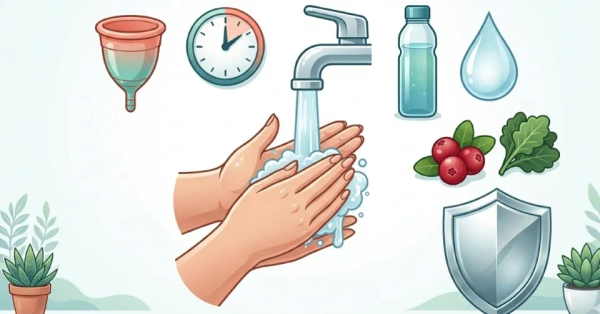
Pads should ideally be changed every 4–6 hours, and tampons every 4 hours. Even if the flow is light, do not prolong usage.
Always wipe from front to back after using the toilet. This prevents bacteria from the anal region entering the urethra.
Drinking enough water helps flush bacteria from the urinary tract. Aim for at least 2–3 liters per day unless medically restricted.
Wear loose, cotton underwear and avoid tight clothing that traps moisture.
This simple step is often overlooked but is crucial in preventing bacterial transfer.
Avoid scented pads, sprays, or washes. These can disrupt natural pH and irritate the genital area.
Do not hold urine for long periods. Frequent emptying of the bladder helps reduce bacterial growth.
Menstrual cups can be a good option if used and cleaned correctly, as they may reduce prolonged moisture exposure.
Your body’s immunity plays a role in preventing infections.
Include vitamin C-rich foods like citrus fruits
Consume probiotics such as curd to maintain healthy flora
Reduce excessive sugar intake, which can promote bacterial growth
Maintain good sleep and stress levels
Do not ignore symptoms assuming they are part of your period. Seek medical advice if:
Symptoms persist beyond 24–48 hours
There is fever or back pain
You have recurrent UTIs
You are pregnant
There is blood in urine unrelated to periods
Early treatment usually involves antibiotics and symptom relief measures.
Fact: Burning is not normal and should be evaluated.
Fact: It increases infection risk by allowing bacteria to multiply.
Fact: UTIs can occur in any woman, regardless of sexual activity.
In many parts of India, menstrual hygiene is still not openly discussed. Lack of awareness, limited access to clean products, and social stigma increase the risk of infections.
Improving education and accessibility is key. Safe menstrual practices not only prevent UTIs but also protect overall reproductive health.
A UTI during periods is uncomfortable, but it is largely preventable. Your body gives early signals, and paying attention to them can save you from complications.
Menstruation is a natural process, and managing it with the right knowledge can make a significant difference to your comfort and health.
If you have ever ignored burning urination during your periods, take this as your sign to prioritize your health. Start with simple hygiene habits today.
Share this information with your sisters, friends, and patients. Awareness is the first step toward prevention.
If symptoms arise, do not self-medicate. Consult a qualified healthcare professional and get the right treatment early.
Cleveland Clinic – Urinary Tract Infection (UTI) Overview
NHS – Urinary Tract Infections (UTIs)
PubMed – Studies on menstrual hygiene and urogenital infections
Hooton TM. Clinical practice. Uncomplicated urinary tract infection. New England Journal of Medicine
Foxman B. Epidemiology of urinary tract infections. Nature Reviews Urology
Dr. Akanksha is a dedicated dental professional and health educator who believes that healthcare goes beyond treatment-it is about creating awareness, building trust, and empowering individuals to make informed decisions about their well-being. Alongside her clinical expertise in dentistry, she is deeply passionate about public health education, with a special focus on menstrual health, hygiene, and women's wellness.
About PeriodSakhi
PeriodSakhi is your trusted companion for understanding your menstrual health. With easy-to-use tools, it helps you track your periods, ovulation, fertility, moods, and symptoms, while providing insights into your overall reproductive and hormonal health. PeriodSakhi also serves as a supportive online community where women can share experiences, find reliable information, and access expert-backed guidance on menstrual health, PCOS, pregnancy, lifestyle, and more.
Disclaimer
The views, thoughts, and opinions expressed in this article/blog are solely those of the author and do not necessarily reflect the views of PeriodSakhi. Any omissions, errors, or inaccuracies are the responsibility of the author. PeriodSakhi assumes no liability or responsibility for any content presented. Always consult a qualified medical professional for specific advice related to menstrual health, fertility, pregnancy, or related conditions.