
A simple educational guide to understanding menstruation and the menstrual cycle.
A period, also known as menstruation, is the monthly shedding of the uterine lining (endometrium) when pregnancy does not occur. Blood and tissue leave the body through the vagina as part of the menstrual cycle.
The menstrual cycle is the monthly hormonal process the body goes through to prepare for pregnancy.
Average Cycle Length: 21–35 days (28 days is common but not required).
Hormones Involved: Estrogen and progesterone regulate the cycle.
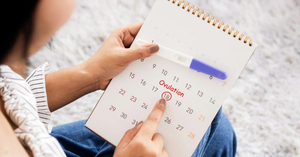
Ovulation: An egg is released from the ovary around the middle of the cycle.
If Pregnancy Does Not Occur: Hormone levels drop, and the uterine lining sheds (period).
First Period (Menarche): Usually between ages 9–15.
Regularity: Periods may be irregular during the first few years.
Menopause: Periods typically stop between ages 45–55.
Typical Duration: 3–7 days.
Light or Heavy Days: Flow may vary throughout the period.
Total Blood Loss: Usually about 30–80 milliliters per cycle.
Light: Minimal bleeding, may only require light protection.
Moderate: Steady bleeding requiring regular product changes.
Heavy: Heavier bleeding, may require frequent changes.
Abdominal cramps
Bloating
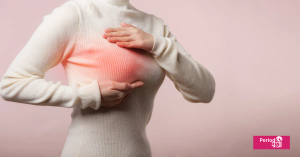
Breast tenderness
Headaches
Mood changes (PMS – Premenstrual Syndrome)
Acne
Fatigue
Lower back pain
Light exercise (walking, stretching)
Heating pads for cramps
Balanced diet and hydration
Over-the-counter pain relief (if approved by a healthcare provider)
Getting enough rest
Pads: Worn inside underwear to absorb flow.
Tampons: Inserted into the vagina to absorb blood.
Menstrual Cups: Reusable silicone cups that collect blood.
Period Underwear: Absorbent underwear designed for menstruation.
Reusable Cloth Pads: Washable and eco-friendly option.
Periods lasting longer than 8 days
Severe pain that interferes with daily life
Very heavy bleeding (soaking through a pad/tampon every hour)
Missing periods (not pregnant)
Bleeding between periods
Periods are a normal and healthy part of reproductive health.
Every person’s cycle is different.
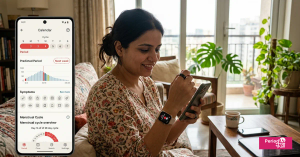
Tracking periods can help understand patterns and changes.
This information is for educational purposes only and is not a substitute for professional medical advice.
Dr. Akanksha is a dedicated dental professional and health educator who believes that healthcare goes beyond treatment-it is about creating awareness, building trust, and empowering individuals to make informed decisions about their well-being. Alongside her clinical expertise in dentistry, she is deeply passionate about public health education, with a special focus on menstrual health, hygiene, and women's wellness.
About PeriodSakhi
PeriodSakhi is your trusted companion for understanding your menstrual health. With easy-to-use tools, it helps you track your periods, ovulation, fertility, moods, and symptoms, while providing insights into your overall reproductive and hormonal health. PeriodSakhi also serves as a supportive online community where women can share experiences, find reliable information, and access expert-backed guidance on menstrual health, PCOS, pregnancy, lifestyle, and more.
Disclaimer
The views, thoughts, and opinions expressed in this article/blog are solely those of the author and do not necessarily reflect the views of PeriodSakhi. Any omissions, errors, or inaccuracies are the responsibility of the author. PeriodSakhi assumes no liability or responsibility for any content presented. Always consult a qualified medical professional for specific advice related to menstrual health, fertility, pregnancy, or related conditions.