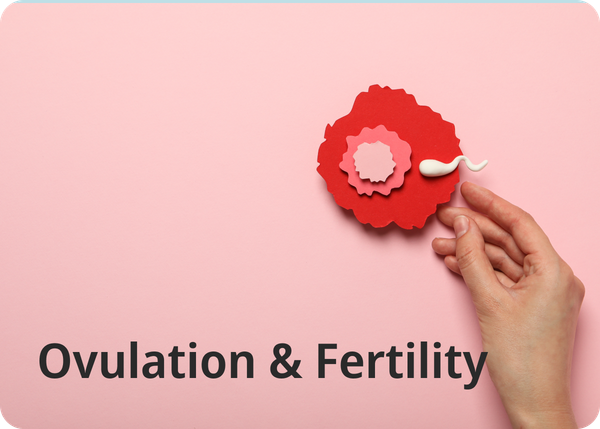

Ovulation and fertility are closely connected.
Ovulation is the event that makes natural pregnancy possible.
Without ovulation, there is no egg available for fertilization.
Fertility depends on three key factors:
A healthy egg being released (ovulation)
Healthy sperm
Proper timing
Ovulation provides the egg.
If sperm meets the egg during the right time, fertilization can occur.
The fertile window is the period when pregnancy is most likely.
It includes:
The 5 days before ovulation
The day of ovulation
This timing is important because:
Sperm can live inside the reproductive tract for up to 5 days.
The egg survives only 12–24 hours after release.
Pregnancy is most likely when intercourse occurs in the 1–2 days before ovulation.
If sperm successfully reaches the egg:
Fertilization usually happens in the fallopian tube.
The fertilized egg (zygote) begins dividing.
It travels toward the uterus.
Implantation may occur about 6–10 days later.
If fertilization does not happen, the egg dissolves and menstruation begins.
Even if ovulation occurs, other factors influence fertility:
Age
Hormonal balance
Sperm health
Reproductive tract health
Overall physical health
Stress, illness, and lifestyle habits can also affect fertility.
If ovulation does not occur regularly, fertility may decrease.
Conditions that may affect ovulation include:
Polycystic Ovary Syndrome (PCOS)
Thyroid disorders
Extreme weight changes
High stress levels
Irregular or absent ovulation can lead to irregular periods.
Signs that ovulation may be occurring regularly include:
Predictable menstrual cycles
Clear cervical mucus before ovulation
A temperature rise after ovulation
Positive LH surge tests
These signs suggest the hormonal cycle is functioning properly.
Fertility is influenced by many factors beyond ovulation alone.
Even healthy individuals may not conceive immediately.
Understanding ovulation helps with timing, but patience and medical guidance may sometimes be necessary.
Ovulation is essential for fertility.
Pregnancy can only occur if sperm meets the egg during the fertile window.
Tracking ovulation improves understanding of fertility patterns and reproductive health.
Dr. Akanksha is a dedicated dental professional and health educator who believes that healthcare goes beyond treatment-it is about creating awareness, building trust, and empowering individuals to make informed decisions about their well-being. Alongside her clinical expertise in dentistry, she is deeply passionate about public health education, with a special focus on menstrual health, hygiene, and women's wellness.
About PeriodSakhi
PeriodSakhi is your trusted companion for understanding your menstrual health. With easy-to-use tools, it helps you track your periods, ovulation, fertility, moods, and symptoms, while providing insights into your overall reproductive and hormonal health. PeriodSakhi also serves as a supportive online community where women can share experiences, find reliable information, and access expert-backed guidance on menstrual health, PCOS, pregnancy, lifestyle, and more.
Disclaimer
The views, thoughts, and opinions expressed in this article/blog are solely those of the author and do not necessarily reflect the views of PeriodSakhi. Any omissions, errors, or inaccuracies are the responsibility of the author. PeriodSakhi assumes no liability or responsibility for any content presented. Always consult a qualified medical professional for specific advice related to menstrual health, fertility, pregnancy, or related conditions.