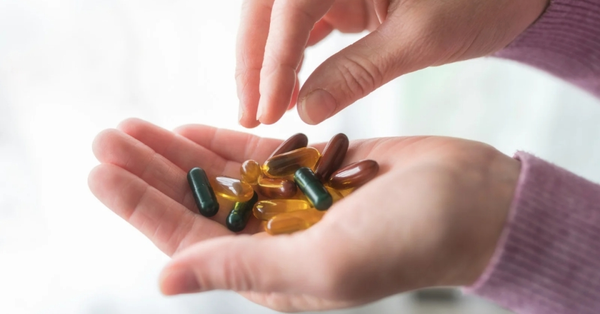

“Before you add anything to your fertility journey, make sure it nourishes your body, not your worries.”
The journey toward conception is filled with hope, planning, and sometimes confusion, especially when you start exploring fertility supplements. From prenatal vitamins to herbal blends, the market is flooded with products claiming to boost ovulation, balance hormones, or improve egg and sperm quality. While some supplements have scientific support, others may be unnecessary, ineffective, or even harmful. Understanding what these supplements do and when they are appropriate is the safest way to make informed decisions.
Fertility supplements aim to enhance reproductive health in men and women. They may:
Improve egg or sperm quality
Support hormone balance
Optimise ovulation
Reduce oxidative stress
Prepare the body for pregnancy
However, supplements should complement—not replace—medical evaluation and healthy lifestyle practices.
Essential for neural tube development and prevents birth defects. Recommended dose: 400–800 mcg daily for women trying to conceive.
Low vitamin D levels are associated with ovulation issues and reduced fertility. Supplementation helps regulate reproductive hormones.
Acts as an antioxidant and may improve egg quality, especially for women above 30 or those with diminished ovarian reserve.
Supports hormonal balance, reduces inflammation, and may improve embryo quality.
Commonly recommended for women with PCOS. Helps improve insulin sensitivity, ovulation, and menstrual regularity.
Important for hormone production and sperm quality. Severe deficiency affects fertility in both men and women.
Required for healthy ovulation. Low ferritin levels may be linked with anovulatory cycles.
Acts as an antioxidant. Supports egg and sperm health, but excessive intake can be toxic.
Ashwagandha, maca root, vitex (chasteberry), and evening primrose oil are commonly used, but evidence varies and interactions are possible.
Fertility issues often have underlying causes such as PCOS, thyroid disorders, tubal problems, or male factor issues. Supplements only help when taken for the right reason. A doctor can identify what your body actually needs.
Too many supplements can disrupt hormone balance or cause toxicity. For example:
Excess vitamin A can cause birth defects.
High-dose selenium or zinc can be harmful.
Overuse of vitex can interfere with menstrual cycles.
Supplements can interact with thyroid medications, diabetes drugs, antidepressants, or blood thinners. Medical guidance is essential.
Choose supplements from reputable brands with third-party testing certifications such as:
USP (United States Pharmacopeia)
NSF International
Informed Choice
Avoid products with artificial hormones or unverified herbal blends.
A prenatal vitamin remains the foundation for conception support. Supplements are add-ons, not replacements.
Some supplements require months of use before showing benefits.
CoQ10: 2–3 months
Inositol: 6–12 weeks
Omega-3: 1–2 months
Fertility cycles require patience.
Sperm health takes 74 days to regenerate. Male partners should consider antioxidant support (zinc, selenium, CoQ10, vitamin C, vitamin E) if advised by a clinician.
Not all supplements are backed by strong evidence. Choose evidence-based options rather than products that promise miracle results.
Supplements may be recommended when:
You have diagnosed deficiencies (iron, vitamin D, B12).
PCOS affects ovulation and insulin sensitivity.
You are above 30 and trying to improve egg quality.
You are planning IVF and want to enhance oocyte response.
You follow a restrictive diet (vegan, low-calorie, gluten-free).
However, each case needs personalised assessment.
New irregularities in periods
Nausea, headaches, or palpitations
Skin reactions
Excessive fatigue
Hormonal symptoms worsening
Gastrointestinal issues
Any of these require immediate review with your doctor.
Supplements are supportive, but the foundation of fertility lies in:
Balanced diet rich in protein, healthy fats, and whole grains
Regular moderate exercise
Stress reduction
Limiting alcohol and caffeine
Maintaining a healthy sleep cycle
Managing medical conditions like PCOS or thyroid issues properly
Supplements amplify a healthy system; they cannot replace it.
Fertility supplements can be helpful, but they must be chosen thoughtfully and used under medical guidance. Every body is different, and what works for one person may not work for another. Instead of grabbing multiple products off the shelf, focus on understanding your own hormonal profile, nutritional levels, and reproductive health. With the right balance of medical advice, lifestyle changes, and evidence-based supplements, you can support your fertility journey safely and effectively.
American Society for Reproductive Medicine (ASRM) – Fertility and Nutrition Guidelines.
Cochrane Database of Systematic Reviews – Antioxidants for Female Subfertility.
Mayo Clinic – Vitamin and Mineral Supplementation for Fertility.
ACOG – Preconception Health and Prenatal Vitamins.
Journal of Clinical Endocrinology & Metabolism – Role of Inositol in PCOS.
Dr. Akanksha is a dedicated dental professional and health educator who believes that healthcare goes beyond treatment-it is about creating awareness, building trust, and empowering individuals to make informed decisions about their well-being. Alongside her clinical expertise in dentistry, she is deeply passionate about public health education, with a special focus on menstrual health, hygiene, and women's wellness.
About PeriodSakhi
PeriodSakhi is your trusted companion for understanding your menstrual health. With easy-to-use tools, it helps you track your periods, ovulation, fertility, moods, and symptoms, while providing insights into your overall reproductive and hormonal health. PeriodSakhi also serves as a supportive online community where women can share experiences, find reliable information, and access expert-backed guidance on menstrual health, PCOS, pregnancy, lifestyle, and more.
Disclaimer
The views, thoughts, and opinions expressed in this article/blog are solely those of the author and do not necessarily reflect the views of PeriodSakhi. Any omissions, errors, or inaccuracies are the responsibility of the author. PeriodSakhi assumes no liability or responsibility for any content presented. Always consult a qualified medical professional for specific advice related to menstrual health, fertility, pregnancy, or related conditions.