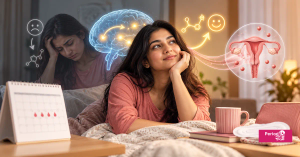

"Your skin speaks quietly before it complains loudly. A small rash during your period is often your body asking for gentler care."
Periods are a natural part of life, but they can sometimes bring unexpected discomfort beyond cramps or fatigue. One common yet often overlooked issue is fabric rashes during periods. Many girls and women experience itching, redness, or irritation around the vulva or inner thighs during menstruation, and the cause is often surprisingly simple: the wrong underwear fabric or pad material.
During menstruation, the genital area is exposed to moisture, warmth, and friction for several hours a day. Menstrual blood, sweat, and the continuous use of pads can create a humid environment that makes the skin more vulnerable to irritation.
Health experts cited by Healthline explain that prolonged moisture and friction around the vulvar area can lead to skin irritation or contact dermatitis, especially when certain fabrics or chemicals are involved. When the skin remains damp and covered for long periods, even small irritants can trigger redness, itching, or rashes.
Fabric rashes are usually a type of irritant dermatitis, which occurs when the skin reacts to friction, heat, moisture, or certain materials.
Common signs include:
Redness around the vulva or inner thighs
Itching or burning sensation
Painful chafing while walking
Small bumps or inflamed patches
Skin tenderness or discomfort
Although these symptoms can feel alarming, they are often temporary and improve when the source of irritation is removed.
The type of underwear you wear during your period can significantly affect your comfort.
Materials like polyester, nylon, or lace may trap heat and moisture. These fabrics often lack breathability, which can create a warm and humid environment around the genital area.
When moisture becomes trapped, the skin may soften and become more prone to irritation and friction.
Tight underwear presses pads firmly against the skin and increases friction during movement. This repeated rubbing may lead to chafing and inflammation, particularly during heavy flow days when pads are worn for extended periods.
Underwear that does not allow airflow prevents the skin from drying properly. Continuous moisture can disrupt the natural skin barrier and lead to irritation.
Menstrual pads are designed to absorb menstrual blood and prevent leaks. However, certain materials used in some pads may irritate sensitive skin.
Plastic Layers
Many pads contain plastic back sheets that prevent leakage. While effective, these layers may reduce ventilation and trap moisture.
Synthetic Surface Materials
Pads with rough or synthetic top layers can increase friction against the skin, especially when walking or exercising.
Fragrances and Additives
Scented pads contain artificial fragrances that may irritate the delicate vulvar skin. These chemicals may trigger itching or allergic reactions in some individuals.
According to menstrual hygiene guidance from the National Health Mission, using comfortable and hygienic menstrual products and changing them regularly is essential to prevent irritation and infections.
Several everyday habits can also contribute to fabric rashes during menstruation.
Wearing Pads for Too Long
Keeping the same pad on for many hours increases moisture and friction, which can irritate the skin.
Excessive Sweating
Hot weather or physical activity can increase sweating, making the area more humid and prone to irritation.
Sensitive Skin
Some individuals naturally have more sensitive skin that reacts easily to chemicals, fabrics, or adhesives.
Poor Menstrual Hygiene
Not changing pads frequently or wearing damp underwear can worsen irritation.
Preventing period rashes usually requires a few simple adjustments in menstrual hygiene and clothing choices.
Choose Breathable Underwear
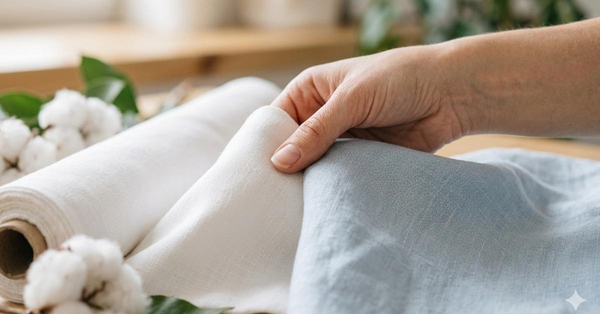
Cotton underwear allows better air circulation and helps absorb moisture, reducing irritation.
Experts generally recommend changing pads every 3–4 hours, depending on menstrual flow.
Avoid Scented Menstrual Products
Fragrance-free pads are often gentler on sensitive skin.
Wear Comfortable Clothing
Loose-fitting clothing during periods can reduce friction and allow airflow.
Maintain Proper Hygiene
Washing the genital area with clean water and keeping it dry can help protect the skin.
Most fabric rashes improve within a few days once the irritation is removed. However, medical advice may be necessary if symptoms include:
Severe itching or burning
Persistent redness
Painful swelling
Unusual discharge
Rashes that do not improve after a few days
A healthcare professional can determine whether the irritation is due to contact dermatitis, infection, or another skin condition.
Ask yourself these questions if you notice irritation during menstruation:
Did the rash appear after wearing a new type of pad?
Are you wearing tight or synthetic underwear?
Have you been keeping the same pad on for many hours?
Is the area feeling moist or sweaty for long periods?
If the answer to several of these questions is yes, the irritation may be related to fabric or pad materials.
Fabric rashes during periods are a common but preventable problem. The combination of moisture, friction, and certain materials in underwear or pads can irritate the sensitive skin around the vulva.
Choosing breathable fabrics, changing pads regularly, and maintaining good menstrual hygiene can significantly reduce the risk of irritation.
If discomfort continues despite these measures, consulting a healthcare professional can help identify the cause and ensure proper treatment.
Healthline – Menstrual hygiene and vulvar skin irritation
National Health Mission – Menstrual hygiene management guidelines
World Health Organization – Menstrual health and hygiene resources
Standard gynecology and dermatology clinical literature on contact dermatitis and menstrual hygiene
Dr. Akanksha is a dedicated dental professional and health educator who believes that healthcare goes beyond treatment-it is about creating awareness, building trust, and empowering individuals to make informed decisions about their well-being. Alongside her clinical expertise in dentistry, she is deeply passionate about public health education, with a special focus on menstrual health, hygiene, and women's wellness.
About PeriodSakhi
PeriodSakhi is your trusted companion for understanding your menstrual health. With easy-to-use tools, it helps you track your periods, ovulation, fertility, moods, and symptoms, while providing insights into your overall reproductive and hormonal health. PeriodSakhi also serves as a supportive online community where women can share experiences, find reliable information, and access expert-backed guidance on menstrual health, PCOS, pregnancy, lifestyle, and more.
Disclaimer
The views, thoughts, and opinions expressed in this article/blog are solely those of the author and do not necessarily reflect the views of PeriodSakhi. Any omissions, errors, or inaccuracies are the responsibility of the author. PeriodSakhi assumes no liability or responsibility for any content presented. Always consult a qualified medical professional for specific advice related to menstrual health, fertility, pregnancy, or related conditions.