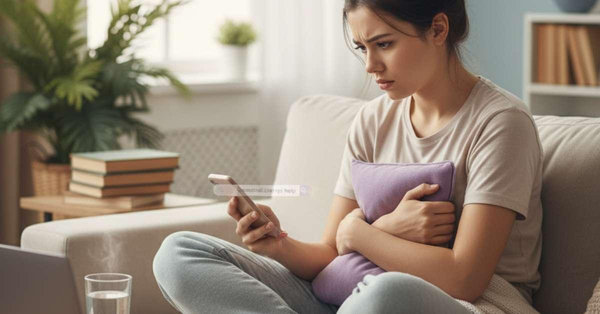

Most women experience some level of discomfort during their periods. For many, the pain is mild and manageable with rest, heat, or over-the-counter medicine. But for some, cramps are so intense that they interfere with daily life. These severe cramps can make it difficult to focus at work, attend school, or even carry out routine activities.
Menstrual cramps happen because the uterus contracts to shed its lining. The hormone prostaglandin is largely responsible for triggering these contractions. Higher levels of prostaglandins are linked with more painful periods. While mild pain is common, persistent or extreme pain should not be dismissed as “normal.”
The experience of pain varies from one person to another. However, some clear signs suggest that cramps are severe:
Needing to take painkillers every few hours without much relief.
Missing school, work, or social activities regularly.
Pain that radiates to the lower back, thighs, or even down the legs.
Nausea, vomiting, diarrhea, or dizziness during periods.
Cramps that seem to worsen over time instead of improving.
If you find yourself identifying with these signs, it may be time to look more closely at what your body is telling you.
Many women first try self-care measures before consulting a doctor. These methods are simple and often effective for mild to moderate cramps.
Applying a heating pad, hot water bottle, or adhesive heat patch to the abdomen helps relax the uterine muscles and improve blood flow. Studies have shown that continuous low-level heat can be as effective as ibuprofen for period pain relief.
While exercising during cramps may feel difficult, gentle activities like walking, stretching, or yoga can release endorphins natural pain relievers and reduce bloating.
Drinking warm fluids, avoiding excessive caffeine, and including anti-inflammatory foods like ginger, turmeric, or leafy greens may reduce discomfort.
Non-steroidal anti-inflammatory drugs (NSAIDs) such as ibuprofen and naproxen can reduce prostaglandin production and provide relief. It is important to follow the dosage instructions and not rely on them excessively.
Sometimes, severe menstrual pain is a symptom of an underlying health condition. If your cramps are not relieved by routine measures, they could be linked to conditions such as:
Endometriosis: A disorder where tissue similar to the uterine lining grows outside the uterus, causing chronic pain and heavy bleeding.
Adenomyosis: When the lining of the uterus grows into the muscular wall, leading to intense cramps and prolonged periods.
Fibroids: Non-cancerous growths in the uterus that may worsen cramping and cause pressure or heavy bleeding.
Pelvic Inflammatory Disease (PID): Infection of reproductive organs, often accompanied by fever, discharge, and pelvic tenderness.
Cervical Stenosis: A rare condition where the cervix is unusually narrow, slowing menstrual flow and causing pressure and pain.
These conditions often require medical evaluation and treatment.
It is time to contact a healthcare professional if:
Period pain suddenly becomes much worse than usual.
Pain is not controlled with over-the-counter medication.
You experience heavy bleeding (soaking through pads every 1–2 hours).
Periods are irregular or come with spotting between cycles.
You have difficulty becoming pregnant along with painful cycles.
Ignoring these signs can delay diagnosis of conditions like endometriosis or fibroids, which may worsen over time without treatment.
When you seek help, your doctor may suggest:
Pelvic Examination: To check for any abnormalities.
Ultrasound or MRI: Imaging tests to look for fibroids, adenomyosis, or endometriosis.
Blood Tests: To rule out anemia or hormonal imbalances.
Medications: Hormonal birth control pills, IUDs, or injections can regulate cycles and reduce cramps.
Surgical Options: In cases of large fibroids or severe endometriosis, minimally invasive procedures may be recommended.
Treatment plans are individualized, and many women find significant relief once the underlying cause is addressed.
Living with painful periods is not only a physical struggle but also an emotional one. Constant worry about the next cycle, missing important events, or feeling misunderstood by others can contribute to stress and anxiety. Talking openly with family, friends, or healthcare providers can reduce feelings of isolation.
Some women also benefit from support groups or counseling, especially when dealing with long-term conditions like endometriosis.
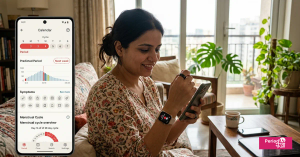
Keep a period diary: Track symptoms, flow, and triggers to share with your doctor.
Maintain a balanced lifestyle: Adequate sleep, stress management, and regular exercise often reduce period-related discomfort.
Explore complementary therapies: Some women find relief through acupuncture, relaxation techniques, or magnesium supplementation, though more research is needed.
Do not normalize severe pain: Remember that while period pain is common, extreme pain is not something you are expected to live with silently.
Severe menstrual cramps are not something to ignore or simply “put up with.” While many women find relief with heat, gentle exercise, and over-the-counter medication, persistent or worsening pain may indicate a more serious condition. Seeking medical help is not only about reducing pain, it is about protecting long-term reproductive health and overall well-being.
If your cramps prevent you from living fully, it is time to listen to your body and consult a doctor. Relief is possible, and no one deserves to suffer in silence.
Akin, M. D., et al. (2001). Continuous low-level topical heat in the treatment of dysmenorrhea. Obstetrics & Gynecology, 97(3), 343–349. PubMed PMID: 11239648.
NHS UK. Painful periods (dysmenorrhoea). Available at:
Proctor, M. L., et al. (2006). Nonsteroidal anti-inflammatory drugs for primary dysmenorrhoea. Cochrane Database of Systematic Reviews.
American College of Obstetricians and Gynecologists (ACOG). Dysmenorrhea and Endometriosis in Adolescents.
About PeriodSakhi
PeriodSakhi is your trusted companion for understanding your menstrual health. With easy-to-use tools, it helps you track your periods, ovulation, fertility, moods, and symptoms, while providing insights into your overall reproductive and hormonal health. PeriodSakhi also serves as a supportive online community where women can share experiences, find reliable information, and access expert-backed guidance on menstrual health, PCOS, pregnancy, lifestyle, and more.
Disclaimer
The views, thoughts, and opinions expressed in this article/blog are solely those of the author and do not necessarily reflect the views of PeriodSakhi. Any omissions, errors, or inaccuracies are the responsibility of the author. PeriodSakhi assumes no liability or responsibility for any content presented. Always consult a qualified medical professional for specific advice related to menstrual health, fertility, pregnancy, or related conditions.