PeriodSakhi

Understanding Irregular Cycles and Their Impact on Fertility

Understanding Irregular Cycles and Their Impact on Fertility
Written By
Dr. Akanksha Priya
5 min read
Updated: Feb 10, 2026
Follows PeriodSakhi Editorial Policy

What Is Considered an Irregular Menstrual Cycle?

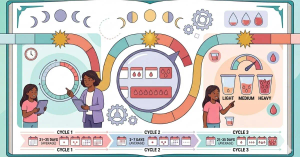
A normal menstrual cycle typically lasts between 21 and 35 days, counted from the first day of one period to the first day of the next. When cycles consistently fall outside this range or vary widely from month to month, they are considered irregular.

Irregular cycles may present as:

  • Oligomenorrhea: Infrequent periods (cycles longer than 35 days)
  • Polymenorrhea: Frequent periods (cycles shorter than 21 days)
  • Amenorrhea: Absence of menstruation for more than three months
  • Anovulatory cycles: Periods that occur without ovulation

The Hormonal Science Behind Menstrual Regularity

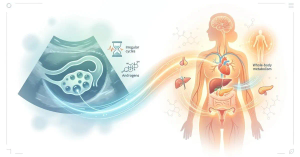
The menstrual cycle is controlled by the hypothalamic–pituitary–ovarian (HPO) axis, a finely tuned hormonal feedback system.

  • The hypothalamus releases gonadotropin-releasing hormone (GnRH), stimulating the pituitary gland.
  • The pituitary then secretes follicle-stimulating hormone (FSH) and luteinizing hormone (LH), which act on the ovaries.
  • The ovaries produce estrogen and progesterone, regulating ovulation and preparing the uterus for possible pregnancy.

When this hormonal rhythm is disrupted by stress, illness, weight fluctuations, or endocrine disorders, the normal ovulatory cycle may be delayed or skipped altogether, leading to irregular menstruation.

Common Causes of Irregular Cycles

  1. Polycystic Ovary Syndrome (PCOS): One of the most frequent causes, PCOS leads to an imbalance of androgens, insulin resistance, and irregular ovulation. Women may notice acne, excess hair growth, and weight gain.
  2. Thyroid Disorders: Both hypothyroidism and hyperthyroidism can interfere with ovulation by affecting metabolism and hormone regulation.
  3. High Stress Levels: Chronic stress raises cortisol, which can suppress GnRH and delay or prevent ovulation.
  4. Excessive Exercise or Underweight: Low body fat reduces estrogen levels, often leading to hypothalamic amenorrhea.
  5. Obesity: Higher body fat increases estrogen production from adipose tissue, disturbing normal FSH-LH balance and ovulation.
  6. Perimenopause: As women approach their 40s, fluctuating estrogen and progesterone levels cause irregular ovulation before menstruation stops altogether.
  7. Medications and Contraceptives: Certain birth control methods or medications affecting prolactin and thyroid hormones can alter cycle patterns temporarily.

How Irregular Cycles Affect Fertility

The primary way irregular cycles impact fertility is by making ovulation unpredictable or absent.

  • Without regular ovulation, there’s no mature egg available for fertilization.
  • Inconsistent hormonal fluctuations also affect cervical mucus quality, endometrial lining thickness, and implantation potential.

For example, in PCOS, follicles often grow but fail to release an egg, leading to anovulation despite apparent menstrual bleeding. Similarly, thyroid imbalances can affect luteal phase length, compromising embryo implantation.

That said, irregular cycles do not mean permanent infertility. Many women with hormonal irregularities conceive naturally or with mild medical support once the underlying cause is identified.

Medical Evaluation and Tests

If cycles are persistently irregular, a medical evaluation can help determine the cause. Common investigations include:

  • Hormonal assays: FSH, LH, estradiol, prolactin, TSH, free T4, AMH
  • Pelvic ultrasound: To assess ovarian morphology and endometrial thickness
  • Glucose and insulin levels: To check for insulin resistance in PCOS
  • Serum progesterone (Day 21 test): To confirm ovulation

In some cases, doctors may also recommend transvaginal follicular monitoring to track ovulation directly.

Managing Irregular Cycles and Supporting Fertility

  1. Lifestyle Modifications:
  2. Weight Management: Even a 5–10% weight loss in overweight women with PCOS can restore regular ovulation by improving insulin sensitivity and hormonal balance.
  3. Medical Treatments:
  4. Cycle Tracking Tools: Using ovulation predictor kits (OPKs), basal body temperature charts, or fertility tracking apps can help identify fertile windows even in irregular cycles.
  5. Addressing Emotional Health: Chronic anxiety about fertility can itself worsen hormonal irregularity. Counseling, support groups, and mindfulness can be valuable alongside medical care.

When to Seek Medical Help

You should consult a gynecologist or reproductive endocrinologist if:

  • Your periods are absent for more than three months (excluding pregnancy).
  • Cycles are consistently shorter than 21 days or longer than 45 days.
  • You’ve been trying to conceive for over a year (or six months if over 35).
  • You experience severe acne, excessive hair growth, or unexplained weight changes.

Early diagnosis of underlying conditions like PCOS or thyroid disease can prevent long-term complications, including infertility, diabetes, or metabolic disorders.

Conclusion

Irregular menstrual cycles are a signal from your body that something in the hormonal network needs attention. While they can make conception more challenging, they rarely mean that pregnancy is impossible. With medical evaluation, lifestyle balance, and timely intervention, most women can restore regular ovulation and achieve healthy fertility.

Listening to your cycle is the first step toward understanding your reproductive health because every irregular period is your body’s way of asking for a little more care and attention.

References

  1. Speroff L, Fritz MA. Clinical Gynecologic Endocrinology and Infertility. 9th ed. Wolters Kluwer; 2019.
  2. American College of Obstetricians and Gynecologists (ACOG). “Evaluating and Managing Irregular Menstrual Cycles.” ACOG Practice Bulletin, 2023.
  3. National Institutes of Health. “Menstrual Cycle and Ovulation Disorders.” MedlinePlus; 2024.
  4. Rotterdam ESHRE/ASRM-Sponsored PCOS Consensus Workshop Group. Hum Reprod. 2023;38(6):1001–1015.
  5. Mayo Clinic. “Menstrual Cycle: What’s Normal, What’s Not.” Updated 2024.
  6. Harvard Health Publishing. “Understanding Irregular Periods and Fertility.” 2023.

Dr. Akanksha Priya

About PeriodSakhi

PeriodSakhi is your trusted companion for understanding your menstrual health. With easy-to-use tools, it helps you track your periods, ovulation, fertility, moods, and symptoms, while providing insights into your overall reproductive and hormonal health. PeriodSakhi also serves as a supportive online community where women can share experiences, find reliable information, and access expert-backed guidance on menstrual health, PCOS, pregnancy, lifestyle, and more.

Disclaimer

The views, thoughts, and opinions expressed in this article/blog are solely those of the author and do not necessarily reflect the views of PeriodSakhi. Any omissions, errors, or inaccuracies are the responsibility of the author. PeriodSakhi assumes no liability or responsibility for any content presented. Always consult a qualified medical professional for specific advice related to menstrual health, fertility, pregnancy, or related conditions.

Comments ()

Start the conversation

Be the first one to comment

No comments yet. Start the conversation by leaving the first comment!
Recent Articles

Walking Plan to Boost Mood and Energy
Nutrition & Fitness

Walking Plan to Boost Mood and Energy

Feb 13, 2026PeriodSakhi Editorial Team
Ovulation 101 - Ovulation & Fertility
Your Cycle

Ovulation 101 - Ovulation & Fertility

Feb 12, 2026Dr. Akanksha Priya
Ovulation 101 - Tracking Ovulation
Your Cycle

Ovulation 101 - Tracking Ovulation

Feb 12, 2026Dr. Akanksha Priya
Ovulation 101 - Egg Health & Nutrition
Your Cycle

Ovulation 101 - Egg Health & Nutrition

Feb 12, 2026Dr. Akanksha Priya
Ovulation 101 - Mood & Mental Clarity
Your Cycle

Ovulation 101 - Mood & Mental Clarity

Feb 12, 2026Dr. Akanksha Priya
Ovulation 101 - Libido & Social Energy
Your Cycle

Ovulation 101 - Libido & Social Energy

Feb 12, 2026Dr. Akanksha Priya