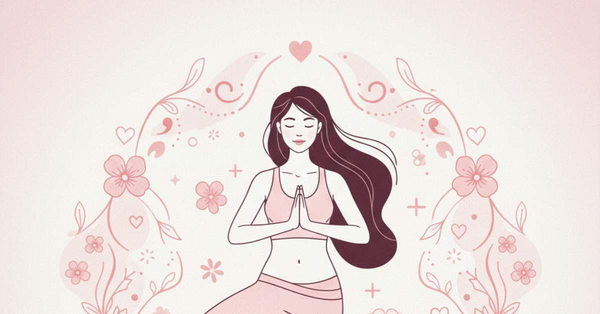
“When the mind feels heavy, let the body move gently, every stretch is a quiet reminder that peace lives within you.”
In a world that constantly demands our attention, the body often becomes the first place where stress hides in tight shoulders, a stiff neck, or an aching back. But one of the simplest and most powerful tools for emotional balance is something we often overlook: stretching.
Stretching doesn’t just make the body flexible; it soothes the mind, eases muscle tension, improves blood circulation, and releases mood-lifting chemicals in the brain. When practiced regularly, it becomes a form of moving meditation that results in helping to calm anxiety, ease PMS irritability, and promote better sleep.
Real-life experiences often tell us what research already confirms. One of my patients, let’s call her Ananya, once described how her evening stretch routine became her “daily exhale.” After a long day at work, she would unroll her mat, play soft music, and flow through ten minutes of gentle stretches. Within a week, she noticed she slept deeper, felt lighter emotionally, and even her period cramps had reduced.
Her story mirrors what science has long shown: stretching supports both the body’s physiology and the mind’s chemistry.
1. Release of Endorphins:
Stretching triggers the release of endorphins, your body’s natural “feel-good” hormones. According to studies published in the Journal of Physical Therapy Science, even 10 minutes of stretching can elevate endorphin levels, improving mood and reducing perceived stress.
2. Reduced Cortisol (Stress Hormone):
Regular stretching has been shown to lower cortisol, the stress hormone responsible for anxiety, irritability, and fatigue. This effect can be particularly beneficial during the luteal phase of the menstrual cycle, when mood fluctuations are common.
3. Improved Blood Circulation:
As muscles lengthen, blood flow increases, carrying more oxygen and nutrients to tissues while flushing out toxins. This circulation boost enhances energy, concentration, and emotional clarity.
4. Mind-Body Connection:
Stretching stimulates the parasympathetic nervous system, the “rest and digest” mode which naturally calms the heart rate and slows down racing thoughts. It encourages mindfulness, helping you reconnect with your body in the present moment.
5. Pain and PMS Relief:
A 2020 study in the Journal of Bodywork and Movement Therapies found that women who practiced light stretching 3–4 times a week experienced significant reduction in menstrual pain and improved mood stability.
A grounding posture that stretches the spine and relaxes the hips. Rest your forehead on the mat and focus on deep, rhythmic breathing. It helps release emotional heaviness and fatigue — especially comforting during your period or before sleep.
Move between arching and rounding your spine slowly. This gentle motion relieves tension in the back and neck while improving spinal flexibility. The rhythm of the movement brings mental focus and calm.
Sit tall with legs extended, then slowly bend forward, reaching toward your toes. This pose eases tight hamstrings, releases the lower back, and supports emotional surrender — helpful when you feel mentally overwhelmed.
Release the weight of the day from your shoulders. Roll them backward in circular motions and gently tilt your neck from side to side. It improves posture and reduces tension headaches caused by stress or screen time.
Lie on your back, bring one knee across your body, and look in the opposite direction. This stretch decompresses the spine, supports digestion, and encourages gentle detoxification — soothing both the gut and mind.
Join the soles of your feet together and gently press your knees toward the ground. This pose opens the hips and promotes blood flow to the pelvic area, helping relieve menstrual discomfort and emotional stagnation.
End every stretch session by lying flat on your back, eyes closed, and focusing on your breath. Savasana integrates relaxation through the entire nervous system and promotes a deep sense of peace.
Even small, consistent efforts matter. One minute of deep breathing while stretching the neck can shift your body from tension to release.
Many women find that emotional tension during PMS or stressful days physically manifests as tight hips, a heavy chest, or a stiff jaw. By stretching consciously, you invite emotional release through the body. The slow movement, deep breathing, and quiet focus all help regulate the vagus nerve, your body’s natural calming pathway.
For example, a healthcare professional who tried incorporating stretching during her evening walks described how her anxiety episodes became less frequent. She realized that “stretching was the missing bridge between therapy and movement, it gave my body permission to breathe again.”
Stretching is more than a physical act; it’s a conversation between the body and mind. Whether it’s to ease PMS irritability, reduce daily stress, or simply feel calmer, a few mindful stretches can work wonders. With consistent practice, you’ll notice improved flexibility, better posture, calmer moods, and deeper emotional resilience.
You don’t need expensive equipment or long hours, just a quiet corner, a mat, and your breath. Remember: every stretch you hold with awareness is an act of self-care and self-compassion.
About PeriodSakhi
PeriodSakhi is your trusted companion for understanding your menstrual health. With easy-to-use tools, it helps you track your periods, ovulation, fertility, moods, and symptoms, while providing insights into your overall reproductive and hormonal health. PeriodSakhi also serves as a supportive online community where women can share experiences, find reliable information, and access expert-backed guidance on menstrual health, PCOS, pregnancy, lifestyle, and more.
Disclaimer
The views, thoughts, and opinions expressed in this article/blog are solely those of the author and do not necessarily reflect the views of PeriodSakhi. Any omissions, errors, or inaccuracies are the responsibility of the author. PeriodSakhi assumes no liability or responsibility for any content presented. Always consult a qualified medical professional for specific advice related to menstrual health, fertility, pregnancy, or related conditions.
Start the conversation
No comments yet. Start the conversation by leaving the first comment!