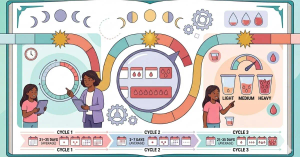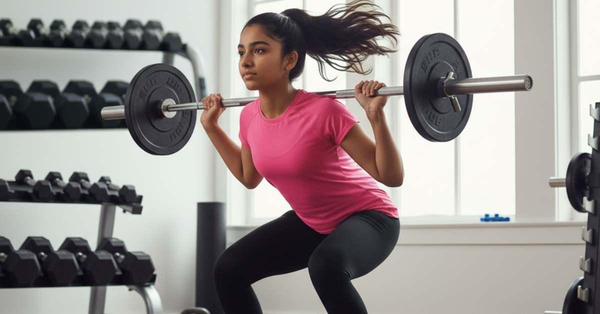
Periods can temporarily make you feel slower or weaker. Hormonal changes, particularly lower estrogen and progesterone early in the cycle, influence muscle strength and energy levels. Gentle strength training helps restore power, stabilizes mood, and reduces future cramp severity. It supports long-term hormone health as well as everyday comfort.
As the period ends and the follicular phase begins, estrogen starts rising again. Estrogen improves muscle recovery, coordination, and stamina. Strength training during this time helps:
Increase energy production
Strengthen muscles and bones
Improve metabolism
Enhance confidence and mood
These benefits are especially important for women because peak bone density and muscle health depend on consistent muscle-building exercise.
Your body has just worked hard internally. Jumping into high-intensity training too fast can lead to soreness or fatigue. Start with light resistance for a couple of days and increase gradually as energy returns.
Use comfortable weights that allow controlled movement. Watch for any discomfort in the lower belly and back, which may still feel sensitive.
Multi-joint movements involve larger muscle groups and support overall endurance. These exercises help you feel grounded and strong:
Bodyweight Squats
They engage legs and core and improve circulation in the pelvis.
Glute Bridges
These strengthen hips and reduce back strain, common after cramping.
Push-ups on Knees or Wall
These develop upper body strength without too much strain.
Standing Rows with Resistance Bands
These improve posture and reduce shoulder tightness.
Controlled Lunges
They build leg stability and support pelvic muscles.
Doing even a few repetitions can boost energy when you feel low.
Core muscles may feel weak after intense cramps. Deep abdominal strengthening helps protect the lower back and improves endurance.
Try movements like controlled dead bugs or gentle plank holds. If any exercise increases cramping, reduce duration or stop. Comfort matters more than intensity.
Good breathing technique helps you lift effectively:
Inhale as the body relaxes.
Exhale during the effort part of the movement.
This stabilizes the core and avoids extra pressure on the abdomen, which can worsen cramps. Slow breathing also keeps stress hormones low.
Strength training does not need long workouts. Even 15 to 20 minutes provide benefits when done regularly. Fatigue levels change across the cycle. Short sessions help build momentum without draining energy.
If motivation is low, choose smaller goals such as two exercises for three sets each. Progress counts more than perfection.
Muscles recover better when hydrated. Magnesium-rich foods like nuts, spinach, and bananas support muscle relaxation. Protein foods like paneer, lentils, eggs, or yogurt help rebuild muscle fibers after training.
A small post-workout snack maintains blood sugar and prevents sudden tiredness, especially during hormonal shifts.
If you experience:
Dizziness
Very heavy bleeding
Severe cramps
Pain that worsens with movement
Take a break. Gentle stretching or light walking may suit you better until symptoms ease.
Listening to your body prevents overexertion and encourages steady progress.
As energy returns after the period, strength training celebrates your resilience. Hormones support you to feel steadier, more focused, and more capable. Over time, consistent strength work reduces PMS severity, supports bone health, and keeps muscles strong. This approach helps you move into the rest of your cycle with power and readiness rather than fatigue.
About PeriodSakhi
PeriodSakhi is your trusted companion for understanding your menstrual health. With easy-to-use tools, it helps you track your periods, ovulation, fertility, moods, and symptoms, while providing insights into your overall reproductive and hormonal health. PeriodSakhi also serves as a supportive online community where women can share experiences, find reliable information, and access expert-backed guidance on menstrual health, PCOS, pregnancy, lifestyle, and more.
Disclaimer
The views, thoughts, and opinions expressed in this article/blog are solely those of the author and do not necessarily reflect the views of PeriodSakhi. Any omissions, errors, or inaccuracies are the responsibility of the author. PeriodSakhi assumes no liability or responsibility for any content presented. Always consult a qualified medical professional for specific advice related to menstrual health, fertility, pregnancy, or related conditions.
Start the conversation
No comments yet. Start the conversation by leaving the first comment!