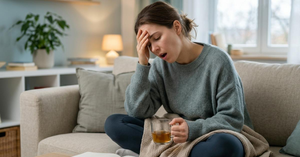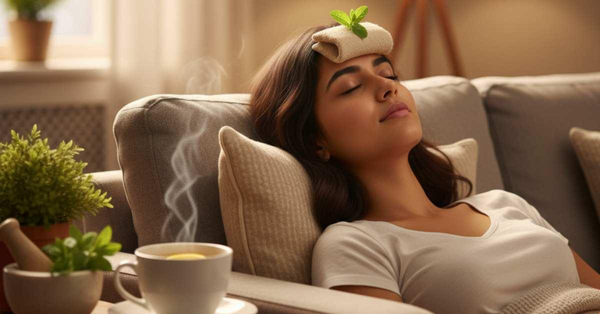
Headaches are a common concern during menstruation. For many women, they appear just before or during the first few days of bleeding. These headaches are linked to hormonal fluctuations, particularly the sudden drop in estrogen and progesterone. They may feel like regular tension headaches, or in some cases, they may resemble migraines. While medicines are available, many women prefer safe, simple home remedies for relief.
Hormones play an important role in regulating pain sensitivity, mood, and circulation. When estrogen levels drop before menstruation, blood vessels may react, leading to headache or migraine. Other contributing factors include:
Understanding these triggers helps in applying the right remedies.
Dehydration is a common but often overlooked cause of headaches. Drinking enough water throughout the day supports circulation and prevents the tightening of blood vessels. Herbal teas such as chamomile or ginger tea can also provide hydration along with calming effects.
Applying a cold compress on the forehead or temples helps reduce throbbing pain, especially in migraine-like headaches. On the other hand, a warm compress placed on the back of the neck relaxes tight muscles and eases tension headaches. Choosing between warm or cold depends on which brings more comfort.
Massaging the temples, forehead, or the base of the skull can ease muscle tension and improve blood flow. Essential oils such as lavender or peppermint diluted with carrier oil may enhance relaxation during massage.
Skipping meals or eating too much processed food may trigger headaches. Eating balanced meals with whole grains, fruits, vegetables, and protein maintains steady blood sugar levels. Nuts, seeds, and foods rich in magnesium are especially useful, as magnesium supports muscle relaxation and nerve health.
Both caffeine excess and sudden caffeine withdrawal can worsen menstrual headaches. It is best to consume caffeine in moderation and avoid alcohol, as it may dehydrate the body and trigger headaches.
Poor sleep increases the risk of headaches. Maintaining a regular sleep routine—sleeping and waking up at the same time every day—helps regulate hormones and improve pain tolerance.
Stress often intensifies menstrual headaches. Practicing deep breathing, progressive muscle relaxation, or meditation can calm the nervous system. Even a few minutes of mindfulness daily can reduce headache frequency and intensity.
Some herbal options have shown benefits:
It is important to use herbs safely and consult a healthcare provider if taking other medications.
Gentle exercise, such as walking, stretching, or yoga, improves blood circulation and releases endorphins, which are natural pain relievers. Heavy workouts may sometimes worsen headaches, so moderation is key.
Prevention is as important as relief. Simple steps include:
While most menstrual headaches can be managed at home, medical attention is necessary if:
In such cases, doctors may recommend medical treatments, including pain relievers, migraine-specific medications, or hormonal therapies to stabilize fluctuations.
Menstrual headaches are common but can be distressing. Simple home remedies like hydration, warm or cold compresses, balanced meals, relaxation techniques, and herbal support often provide effective relief. Preventive care, such as stress management, regular exercise, and healthy sleep, further reduces recurrence. However, if headaches are persistent or disabling, seeking medical advice is important to rule out other conditions and receive proper treatment.
Caring for menstrual headaches through gentle, natural methods allows women to feel more in control of their cycles and improve their quality of life.
About PeriodSakhi
PeriodSakhi is your trusted companion for understanding your menstrual health. With easy-to-use tools, it helps you track your periods, ovulation, fertility, moods, and symptoms, while providing insights into your overall reproductive and hormonal health. PeriodSakhi also serves as a supportive online community where women can share experiences, find reliable information, and access expert-backed guidance on menstrual health, PCOS, pregnancy, lifestyle, and more.
Disclaimer
The views, thoughts, and opinions expressed in this article/blog are solely those of the author and do not necessarily reflect the views of PeriodSakhi. Any omissions, errors, or inaccuracies are the responsibility of the author. PeriodSakhi assumes no liability or responsibility for any content presented. Always consult a qualified medical professional for specific advice related to menstrual health, fertility, pregnancy, or related conditions.
Start the conversation
No comments yet. Start the conversation by leaving the first comment!