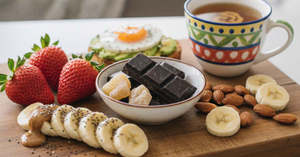

Many women notice changes in digestion in the days leading up to menstruation. Bloating, constipation, diarrhea, and nausea are common complaints during premenstrual syndrome (PMS). These symptoms are often mild but can cause discomfort and affect daily life. Understanding why digestive upset occurs and how to manage it can make the premenstrual phase more comfortable.
Digestive changes during PMS are primarily linked to hormonal fluctuations. Estrogen and progesterone levels rise and fall throughout the menstrual cycle.
Stress and fatigue often exacerbate digestive symptoms, as the gut is sensitive to nervous system changes.
Large meals can worsen bloating and sluggish digestion. Eating smaller, balanced meals throughout the day helps maintain energy and prevents overloading the digestive system.
Drinking enough water prevents constipation and helps flush out excess sodium, which contributes to bloating. Herbal teas such as peppermint, ginger, or chamomile also soothe the digestive tract.
Certain foods like beans, cabbage, carbonated drinks, and excessive dairy may worsen bloating during PMS. Observing individual tolerance is key.
High salt intake increases water retention, causing bloating. Excess sugar may aggravate digestive discomfort and contribute to energy fluctuations.
Probiotics from yogurt, kefir, or supplements support gut health and may reduce bloating and irregularity.
Light exercise such as walking, stretching, or yoga improves intestinal motility, reducing constipation and bloating. It also supports mood balance during PMS.
Stress impacts gut function. Mindfulness, deep breathing, and relaxation techniques reduce tension in the digestive tract and improve symptom control.
Sleep disturbances can worsen digestive symptoms and hormonal imbalances. Maintaining a consistent sleep schedule supports gut and overall health.
These remedies are safe for most women and complement dietary and lifestyle adjustments.
Most PMS-related digestive upset is mild and self-limiting. However, consultation with a healthcare provider is recommended if:
A doctor may investigate other causes such as irritable bowel syndrome, food intolerances, or gastrointestinal conditions.
Digestive upset is a common part of PMS, caused by hormonal fluctuations, prostaglandins, and lifestyle factors. Simple strategies like mindful eating, hydration, gentle exercise, stress management, and natural remedies such as ginger or peppermint can significantly reduce discomfort.
While most symptoms are temporary, severe or persistent digestive issues warrant medical evaluation. With consistent self-care and awareness, women can manage PMS-related digestive upset effectively, improving comfort and quality of life during the premenstrual phase.
About PeriodSakhi
PeriodSakhi is your trusted companion for understanding your menstrual health. With easy-to-use tools, it helps you track your periods, ovulation, fertility, moods, and symptoms, while providing insights into your overall reproductive and hormonal health. PeriodSakhi also serves as a supportive online community where women can share experiences, find reliable information, and access expert-backed guidance on menstrual health, PCOS, pregnancy, lifestyle, and more.
Disclaimer
The views, thoughts, and opinions expressed in this article/blog are solely those of the author and do not necessarily reflect the views of PeriodSakhi. Any omissions, errors, or inaccuracies are the responsibility of the author. PeriodSakhi assumes no liability or responsibility for any content presented. Always consult a qualified medical professional for specific advice related to menstrual health, fertility, pregnancy, or related conditions.
Start the conversation
No comments yet. Start the conversation by leaving the first comment!