“Self-care during menstruation is not indulgence. It is responsibility.”
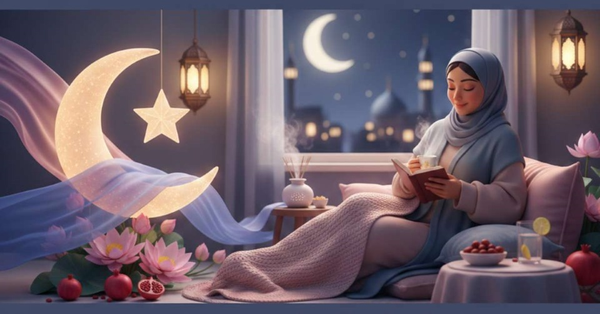
Ramzan is a month of reflection, patience, and inner discipline. For many women, it also coincides with menstruation, a completely natural biological process that often brings physical discomfort, emotional sensitivity, and silent guilt. While religious exemptions exist, women frequently struggle with how to care for their bodies without feeling disconnected or inadequate.
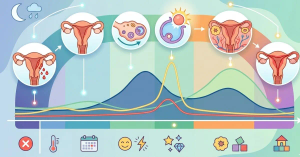
Menstruation is a hormonally driven process involving blood loss, uterine contractions, and shifts in estrogen and progesterone. During this phase, the body commonly experiences:
From a medical perspective, menstruation already places extra demands on the body. Ramzan, with altered sleep schedules, long fasting hours, and changes in routine, can amplify these symptoms if self-care is neglected.
The goal during periods is support, not suppression.
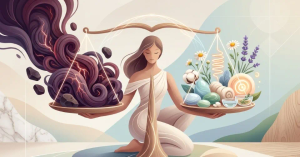
Feeling guilty for not fasting or praying during periods is common, but guilt itself is a form of stress. Elevated stress hormones like cortisol can worsen cramps, bloating, acne, and emotional distress.
From a health standpoint:
Resting during periods is not avoidance of discipline. It is alignment with physiology.
Even if you are not fasting, nutrition during periods must be intentional and nourishing.
Menstrual blood loss reduces iron levels. Include:
Iron deficiency can worsen fatigue, breathlessness, and paleness.
Skipping meals or eating irregularly can cause weakness and irritability. Aim for:
Stable blood sugar helps reduce cramps and mood swings.
Warm, home-cooked meals soothe the digestive system and uterus. Avoid excessive fried or very spicy foods that increase bloating.
Dehydration worsens:
Drink water regularly through the day. Herbal teas, warm water, and light soups can help. Avoid excessive caffeine, as it can increase anxiety and cramps.
Late nights and early mornings can disturb sleep rhythms. During menstruation, poor sleep increases pain sensitivity and emotional vulnerability.
Practical tips:
Rest is a medical requirement, not laziness.
Complete inactivity can worsen cramps, while intense exercise can increase fatigue.
Recommended:
Movement improves blood circulation and reduces uterine spasms. Avoid strenuous workouts during heavy bleeding days.
Mild to moderate menstrual pain is common. Relief measures include:
Painkillers may be used when required, but persistent or severe pain should not be normalized. It may indicate conditions like dysmenorrhea or anemia.
Long prayer hours, warm weather, and reduced hydration can increase the risk of rashes or infections if hygiene is neglected.
Key practices:
Ignoring hygiene due to secrecy or discomfort can lead to itching, infections, or foul discharge.
Periods can heighten emotional sensitivity. Feeling left out or disconnected during Ramzan can intensify sadness.
Healthy emotional self-care includes:
Emotional well-being directly affects hormonal stability.
Some women consider delaying periods to avoid missing fasts. Medically, this involves hormonal pills that alter the natural cycle.
Important considerations:
Routine hormonal manipulation for social or emotional pressure is not advisable.
Consult a healthcare professional if you experience:
Ramzan should not be a month of silent suffering.
“Your body fasting from prayer is not failing faith. It is following biology.”
Periods during Ramzan are normal, expected, and medically significant. Self-care during this time protects long-term hormonal health, emotional balance, and overall well-being.
Taking care of yourself is not a pause in spirituality.It is respect for the body you live in.
And that, too, is devotion.
About PeriodSakhi
PeriodSakhi is your trusted companion for understanding your menstrual health. With easy-to-use tools, it helps you track your periods, ovulation, fertility, moods, and symptoms, while providing insights into your overall reproductive and hormonal health. PeriodSakhi also serves as a supportive online community where women can share experiences, find reliable information, and access expert-backed guidance on menstrual health, PCOS, pregnancy, lifestyle, and more.
Disclaimer
The views, thoughts, and opinions expressed in this article/blog are solely those of the author and do not necessarily reflect the views of PeriodSakhi. Any omissions, errors, or inaccuracies are the responsibility of the author. PeriodSakhi assumes no liability or responsibility for any content presented. Always consult a qualified medical professional for specific advice related to menstrual health, fertility, pregnancy, or related conditions.
Start the conversation
No comments yet. Start the conversation by leaving the first comment!