“When you nourish your cycle, you nourish the strongest version of yourself.”
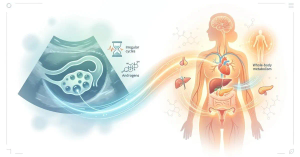
Ovulation is one of the most energetic points of the menstrual cycle. It usually occurs around the middle of the cycle when estrogen and certain reproductive hormones reach their highest levels. This hormonal rise may make you feel more confident, social and focused. Some women also notice clearer skin and improved stamina. These changes show that the body is actively preparing to release a mature egg, which increases nutritional demands.
During these vital days, your body benefits from foods that stabilize energy, protect reproductive cells and support hormone metabolism. Small well-planned snacks can prevent sudden hunger, help maintain mood and keep blood sugar stable. This article explains why nutrient-rich snacking matters during ovulation and offers practical snack ideas that are enjoyable and easy to prepare.
When estrogen rises sharply, the liver works to process hormonal by-products. Nutrients that support detoxification such as fiber, healthy fats and B-vitamins help keep the body in balance. At the same time, ovarian activity increases oxidative stress. Antioxidants like vitamin C, vitamin E and flavonoids found in colorful fruits and vegetables play a role in protecting egg cells.
There is also a higher need for minerals such as zinc and magnesium during ovulation because they support egg development and reproductive tissue function. Stable blood sugar is equally important because glucose fluctuations may trigger irritability or fatigue. Protein and fiber rich snacks help avoid this.
When you choose snacks with thoughtfulness, you are not only curbing hunger but also providing the body what it needs for hormonal stability and fertility.
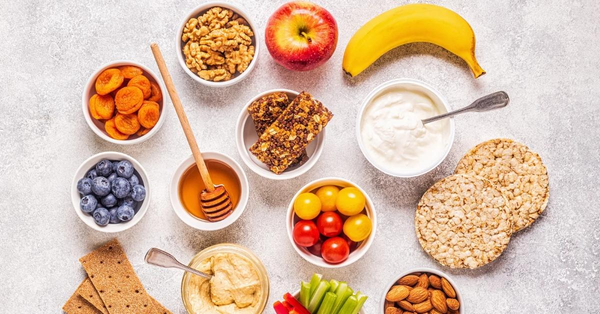
Snacks during this phase should contain a combination of protein, healthy fats and fiber. These nutrients keep you full for longer and prevent cravings. Foods rich in antioxidants add protection to reproductive cells. Fresh, whole ingredients are ideal because they reduce inflammation and improve digestion. A variety of colors in fruits and vegetables ensures a wide range of micronutrients.
Greek yogurt served with a handful of fresh berries and some crushed walnuts is one of the simplest and most effective snack choices. The yogurt provides high-quality protein and calcium to support muscle and bone health. Berries are an excellent source of antioxidants that protect ovarian cells. Walnuts supply omega-3 fats that assist hormone production and reduce inflammation.
Hummus paired with carrot and cucumber sticks is another convenient option. Chickpeas are rich in plant protein and fiber. They also provide phytoestrogens that help with balanced estrogen function. Carrots and cucumbers offer hydration and micronutrients. Adding a spoon of pumpkin seeds on the side increases zinc intake, which plays a key role in ovulation.
Whole-grain toast topped with mashed avocado, fresh tomato slices and sprouts makes a nourishing snack as well. Avocado offers healthy fats and vitamin E, which support healthy cell membranes. Tomatoes and sprouts contribute vitamins, folate and fiber that improve hormone metabolism.
For individuals who enjoy seafood, whole-grain rice crackers topped with salmon or sardines and a little lemon juice deliver protein, omega-3 fats and antioxidants in a light and satisfying way. Those following a vegetarian diet can replace fish with mashed chickpeas drizzled with olive oil and herbs.
A make-ahead option such as sweet potato and spinach mini-muffins can also help. Sweet potatoes provide complex carbohydrates, beta-carotene and fiber. Spinach offers iron, magnesium and folate. An egg or an egg replacement adds protein and choline which is crucial for healthy cell formation.
Each of these snacks is designed to maintain blood glucose stability, boost metabolism and support the body’s natural strength during ovulation.
Pragya* is a medical student who often skipped snacks and drank tea to keep going through long study hours. During her ovulation days, she noticed that her concentration dropped sharply in the afternoon and she felt unexpectedly drained, even though she slept well. After learning about cycle-aligned nutrition, she began carrying yogurt with berries to class and hummus with vegetables for late afternoon hunger.
Within two cycles, she reported fewer energy crashes, a more stable mood, less bloating and a noticeable improvement in her skin. She described the change as “feeling like my body and I are on the same team.”
*Name changed for privacy.
This shows how small, intentional nutritional habits can create a meaningful difference in daily functioning.
It is recommended to include one snack between breakfast and lunch and another between lunch and dinner during the ovulation phase. A mid-morning snack helps avoid a late-day crash and improves focus. An early evening snack prevents overeating at night and supports stable metabolism. Fluid intake should stay consistent because estrogen requires good hydration for efficient hormone transport. Around two to two and a half litres of water per day suits most individuals depending on climate and activity level.
Highly processed snacks, excess sugar and deep-fried items can cause sudden spikes in blood sugar and promote inflammation. These effects work opposite to what the body needs during ovulation, so limiting them can be helpful.
Ovulation represents vitality, energy and your body’s remarkable ability to create new life. Nourishing food choices during this period support physical and emotional well-being. Snacks rich in protein, healthy fats, antioxidants and minerals enhance fertility, maintain mood stability and provide glowing skin from within.
When you give your body thoughtful nutrition, you allow the natural brilliance of your cycle to shine through. Each balanced snack is a small step toward stronger hormonal health and a more energized version of yourself.
(All references placed together as you requested)
Cleveland Clinic – Nutrition and Exercise Throughout the Menstrual Cycle
PMC – Physical Activity, Nutrition and the Menstrual Cycle
MDPI – Micronutrients in Female Reproductive Health
PubMed – Glycemic Index and Ovulation
UCLA Health – Foods to Boost Fertility
Baylor Scott & White Health – Diet for Hormonal Balance
Elara Care – Menstrual Cycle Nutrition Chart
Thinx – Foods for Ovulation Phase
Kerry Health – Women’s Health Across the Cycle
About PeriodSakhi
PeriodSakhi is your trusted companion for understanding your menstrual health. With easy-to-use tools, it helps you track your periods, ovulation, fertility, moods, and symptoms, while providing insights into your overall reproductive and hormonal health. PeriodSakhi also serves as a supportive online community where women can share experiences, find reliable information, and access expert-backed guidance on menstrual health, PCOS, pregnancy, lifestyle, and more.
Disclaimer
The views, thoughts, and opinions expressed in this article/blog are solely those of the author and do not necessarily reflect the views of PeriodSakhi. Any omissions, errors, or inaccuracies are the responsibility of the author. PeriodSakhi assumes no liability or responsibility for any content presented. Always consult a qualified medical professional for specific advice related to menstrual health, fertility, pregnancy, or related conditions.
Start the conversation
No comments yet. Start the conversation by leaving the first comment!