“Every morning we are born again. What we do today is what matters most.” — Buddha
The days following your period are like a quiet sunrise, fresh, hopeful, and full of new energy. This is called the follicular phase, a time when your hormones begin to rise again after menstruation. You may feel lighter, clearer, and more motivated to move, create, and connect.
To make the most of this phase, nutrition plays a key role. The right breakfast can fuel your brain, stabilize hormones, and prepare your body for ovulation. In fact, the NHS emphasizes eating regular, balanced meals to maintain steady blood sugar and energy, especially during reproductive years.
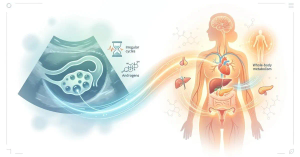
The follicular phase starts right after your period ends and lasts until ovulation usually from Day 6 to Day 14 in a 28-day cycle. During this time, estrogen levels rise to help eggs mature and prepare for ovulation. You may notice better mood, sharper focus, and higher stamina.
From a biological point of view, your body is rebuilding its nutrient stores after blood loss and preparing for potential conception. That means it needs iron, protein, antioxidants, and vitamins to restore vitality.
Breakfast becomes especially important because it sets the tone for your energy and mood throughout the day.
Skipping breakfast might seem convenient, but it can lead to blood sugar dips, irritability, and fatigue. According to NHS diet guidelines, starting your day with a balanced breakfast helps:
In the follicular phase, a well-balanced morning meal also helps replenish iron lost during menstruation and provides nutrients to support egg development.
Iron helps rebuild red blood cells, while vitamin C boosts its absorption. Pairing both in one meal like spinach with citrus fruit that helps restore energy and prevent fatigue.
Protein supports follicle growth and stabilizes blood sugar. Eggs, paneer, yogurt, lentils, and nuts are excellent vegetarian-friendly options.
These healthy fats improve circulation and reduce inflammation, supporting better hormonal balance and skin health.
B vitamins help your body convert food into energy and regulate estrogen metabolism. Oats, whole grains, bananas, and leafy greens are good sources.
Fiber keeps digestion smooth and supports liver function, which helps the body process and eliminate excess hormones.
Think of your breakfast as a colorful, energizing plate filled with a mix of protein, healthy fats, and complex carbohydrates. Below are easy combinations inspired by NHS dietary advice and research from PubMed on hormonal nutrition.
Flattened rice cooked with peas, spinach, and lemon juice makes a light, nourishing breakfast. The peas and spinach add iron, and the lemon juice helps absorb it better. Add roasted peanuts for extra protein and crunch.
Cook oats with milk or plant-based milk and top it with banana, apple slices, flaxseeds, and chia seeds. This combination offers complex carbohydrates, fiber, and healthy fats to stabilize hormones.
Protein-packed and easy to digest, this lentil pancake supports tissue repair and follicle growth. Pairing it with probiotic yogurt improves gut health, which plays a major role in hormone balance.
Eggs contain choline and B vitamins that support brain and hormonal health. Spinach adds iron, while tomatoes provide vitamin C and antioxidants.
Cook quinoa in milk or almond milk and top it with almonds, dates, and grated coconut. Quinoa contains complete protein and magnesium, a natural mood stabilizer.
Even though your energy is higher in this phase, certain foods can interfere with hormone balance:
A good breakfast doesn’t need to be elaborate, just consistent and balanced.
Day 1:
Day 2:
Day 3:
These combinations replenish nutrients and keep energy stable throughout the day.
This natural rhythm allows your breakfast to match what your body truly needs.
These small steps make your follicular phase feel vibrant, calm, and balanced.
If you experience irregular periods, severe fatigue, or difficulty ovulating, speak to your healthcare provider. Nutrient deficiencies like low iron or vitamin D are common but can be corrected with guidance. The NHS recommends blood tests when symptoms persist despite good nutrition.
Breakfast during the follicular phase is your foundation for the rest of the month. The nutrients you eat now iron, protein, omega-3s, and B vitamins directly support egg health, metabolism, and emotional balance.
When you nourish your body in alignment with your cycle, you don’t just eat , you heal, rebuild, and glow from within.
Eating a wholesome breakfast every day in this phase is one of the simplest ways to support your hormones naturally.
About PeriodSakhi
PeriodSakhi is your trusted companion for understanding your menstrual health. With easy-to-use tools, it helps you track your periods, ovulation, fertility, moods, and symptoms, while providing insights into your overall reproductive and hormonal health. PeriodSakhi also serves as a supportive online community where women can share experiences, find reliable information, and access expert-backed guidance on menstrual health, PCOS, pregnancy, lifestyle, and more.
Disclaimer
The views, thoughts, and opinions expressed in this article/blog are solely those of the author and do not necessarily reflect the views of PeriodSakhi. Any omissions, errors, or inaccuracies are the responsibility of the author. PeriodSakhi assumes no liability or responsibility for any content presented. Always consult a qualified medical professional for specific advice related to menstrual health, fertility, pregnancy, or related conditions.
Start the conversation
No comments yet. Start the conversation by leaving the first comment!