“Menstruation is not just a biological process, it is a matter of dignity, health, and human rights.”
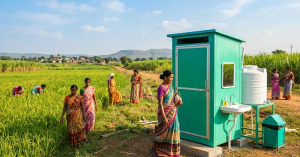
Across India, millions of women labourers, construction workers, domestic helpers, agricultural workers continue to work through menstruation under harsh, often invisible conditions. While menstruation is a normal physiological process, the ability to manage it safely and with dignity remains unequal.
According to global frameworks like the World Health Organization (WHO) and menstrual hygiene definitions, menstrual hygiene management (MHM) requires access to clean absorbents, privacy, water, and safe disposal facilities. Yet for many labouring women, these basics remain out of reach.
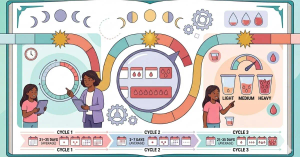
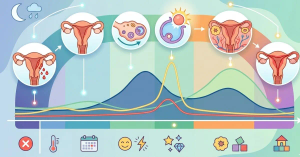
Menstruation involves the shedding of the uterine lining, typically occurring every 21–35 days. Safe menstrual hygiene includes:
Use of clean absorbent materials
Changing products every 4–6 hours
Access to clean water and sanitation
Safe disposal of used materials
Poor menstrual hygiene is associated with increased risk of reproductive tract infections (RTIs), skin irritation, and urinary infections. Research in India has shown that lack of proper facilities significantly impacts women’s reproductive health outcomes.
From a public health perspective, menstrual hygiene is not optional, it is essential care.
Studies show that affordability remains a major barrier. Among labour populations, a significant proportion of women still rely on cloth instead of sanitary pads, especially younger and economically disadvantaged groups.
Even when products are available, the absence of toilets and washing facilities makes proper use difficult. Research among tea plantation workers revealed that nearly 10% lacked access to proper sanitation facilities.
Women labourers often:
Work long hours without breaks
Have no designated rest areas
Face stigma discussing menstruation
A recurring theme in community discussions highlights that many women work without access to toilets, privacy, or even basic understanding from employers.
Cultural taboos still label menstruation as “unclean,” limiting open discussion. This leads to poor awareness and delayed care-seeking.
Rekha, a daily wage labourer, works 8–10 hours under the sun. There is no toilet nearby. She uses a cloth, changes it only once a day due to lack of privacy, and washes it secretly at night.
Medical risk: Increased risk of infection, poor hygiene, discomfort.
Sita works in multiple households. She cannot carry disposal bags openly due to stigma. She delays changing pads, leading to irritation and rashes.
Medical risk: Skin infections, reduced comfort, absenteeism.
Sunita works in fields far from home. She avoids drinking water during her period to reduce urination needs.
Medical risk: Dehydration, urinary tract infections.
Around two-thirds of urban young women use hygienic methods, but disparities persist across socioeconomic groups.
Employment alone does not guarantee better menstrual hygiene; autonomy and working conditions matter significantly.
Only about 42% of plantation workers maintained satisfactory menstrual hygiene, highlighting gaps among labour populations.
These findings emphasize that working women especially labourers are often left behind in menstrual health progress.
The WHO defines menstrual hygiene management as access to:
Clean absorbents
Privacy for changing
Soap and water
Safe disposal systems
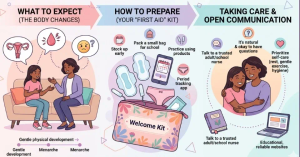
Change sanitary products every 4–6 hours
Wash genital area with clean water
Avoid prolonged dampness
Seek medical care if there is foul smell, itching, or abnormal discharge
Low-cost sanitary pads
Reusable cloth pads (properly sterilized)
Menstrual cups (where feasible)
Community-led initiatives have shown that locally produced affordable pads improve both access and employment opportunities.
Employers, contractors, and policymakers must ensure:
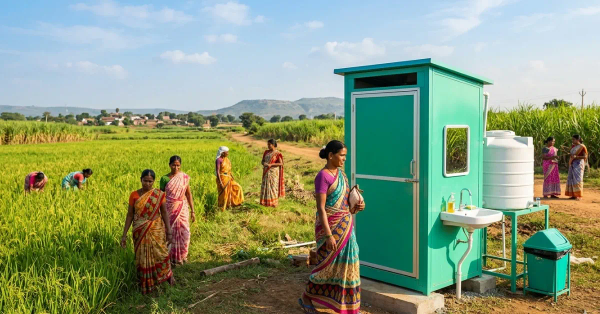
Portable toilets at worksites
Water availability
Designated rest areas
Disposal bins
Even small changes can significantly improve dignity and productivity.
Awareness programs should focus on:
Correct usage of menstrual products
Infection prevention
Breaking myths and stigma
Grassroots education, especially through ASHA workers and NGOs, has proven effective.
Programs should integrate:
Menstrual hygiene into occupational health policies
Free or subsidized product distribution
Inclusion of menstrual health in labour welfare schemes
Recent innovations include:
Biodegradable pads
Period-friendly workwear
Low-cost vending machines
These solutions can bridge the gap between affordability and accessibility.
Menstrual dignity is increasingly being recognized as a fundamental right in India.
The Supreme Court has acknowledged menstrual hygiene as part of the Right to Life and Dignity under Article 21, mandating access to sanitary products and facilities.
Additionally:
Article 14 ensures equality
Article 15 prohibits gender discrimination
Article 21 guarantees dignity and health
Despite these provisions, implementation gaps remain especially for informal labour sectors.
India has seen inspiring efforts from individuals and organizations working to normalize menstruation and improve access.
Grassroots innovations, community manufacturing of pads, and awareness campaigns are gradually shifting the narrative from shame to dignity.
However, sustainable change requires:
Policy enforcement
Employer accountability
Community participation
To truly ensure menstrual dignity for labouring women:
Infrastructure must improve
Products must be affordable and accessible
Workplaces must become inclusive
Menstrual health must be normalized socially
Policies must translate into real action on ground
Menstruation should never be a barrier to dignity, health, or livelihood.
For women labourers in India, the challenge is not just managing periods, it is doing so in environments that often ignore their basic needs. Evidence clearly shows that lack of sanitation, affordability, and awareness leads to significant health risks and social inequality.
Ensuring menstrual dignity is not charity, it is a public health priority and a human rights obligation.
A dignified future will require collaboration between healthcare providers, policymakers, employers, and communities. When a woman can manage her menstruation safely and confidently even at a construction site or in a field, that is when true empowerment is achieved.
WHO & PMA Menstrual Hygiene Management Framework
NFHS-based menstrual hygiene data in India
Cambridge Journal: Menstrual hygiene practices in India
Springer Study on domestic workers’ menstrual practices
DOAJ Study on plantation workers and menstrual hygiene
PLOS Global Public Health study on urban disparities
ScienceDirect study on employment and hygiene
Times of India report on menstrual rights in India
About PeriodSakhi
PeriodSakhi is your trusted companion for understanding your menstrual health. With easy-to-use tools, it helps you track your periods, ovulation, fertility, moods, and symptoms, while providing insights into your overall reproductive and hormonal health. PeriodSakhi also serves as a supportive online community where women can share experiences, find reliable information, and access expert-backed guidance on menstrual health, PCOS, pregnancy, lifestyle, and more.
Disclaimer
The views, thoughts, and opinions expressed in this article/blog are solely those of the author and do not necessarily reflect the views of PeriodSakhi. Any omissions, errors, or inaccuracies are the responsibility of the author. PeriodSakhi assumes no liability or responsibility for any content presented. Always consult a qualified medical professional for specific advice related to menstrual health, fertility, pregnancy, or related conditions.
Start the conversation
No comments yet. Start the conversation by leaving the first comment!