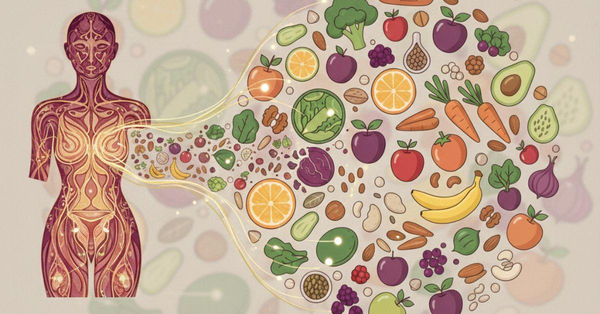
“Every meal you eat becomes a message to your hormones.”
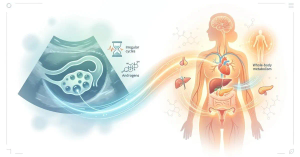
Nutrition plays a powerful role in menstrual health. Hormones that regulate your cycle estrogen, progesterone, insulin, cortisol, and thyroid hormones are all influenced by the nutrients you consume. Balanced meals help stabilise energy, reduce inflammation, support ovulation, and prevent irregular cycles. On the other hand, nutrient deficiencies, excessive processed foods, or erratic eating patterns can create hormonal imbalances that affect everything from flow to mood.
Understanding this connection allows women to make simple, everyday choices that support smoother periods and better long-term reproductive health.
Carbohydrates influence insulin, which plays a critical role in ovulation. Both too little and too much carbohydrate can disrupt hormones.
Women with PCOS benefit from low-glycemic carbohydrates to reduce insulin spikes and improve cycle regularity.
Protein is needed to form hormones and maintain stable blood sugar.
A protein-focused breakfast can reduce PMS irritability and bloating throughout the day.
Fats are essential for reproductive hormones, brain function, and inflammation control.
Low-fat diets often worsen hormonal issues by impairing ovulation.
Iron loss during periods can cause fatigue, dizziness, and reduced concentration.
Pair iron foods with Vitamin C (lemon, amla, oranges) for better absorption.
Magnesium is one of the most important minerals for PMS relief.
These work together to reduce PMS symptoms and support healthy bone and muscular function.
Vitamin D deficiency is extremely common among Indian women and can worsen PMS, cramps, and mood issues. Daily sunlight exposure is important.
B6 supports serotonin formation and reduces mood changes.
Omega-3s reduce inflammation and are especially helpful in painful periods and PCOS.
Erratic eating patterns cause unstable blood sugar and hormonal imbalance. Consistent meals help regulate cycles and improve ovulation.
Anti-inflammatory foods like ginger, turmeric, leafy greens, seeds, and omega-3s help reduce the intensity of cramps.
Stable blood sugar reduces irritability, sadness, cravings, and breast tenderness. Nutrients like magnesium, B6, and omega-3s strengthen emotional resilience.
Iron deficiency and inflammation worsen heavy flow. Strengthening iron stores and reducing processed food can help.
High-salt meals, carbonated drinks, and deep-fried foods increase water retention. Light, warm, home-cooked meals reduce bloating before periods.
Balanced meals with protein, fibre, and healthy fats improve insulin sensitivity, reduce acne, support weight loss, and bring cycles back on track.
These foods provide minerals, antioxidants, and natural hormones that keep cycles regular and comfortable.
A few foods worsen PMS, cramps, and irregular cycles.
These cause inflammation, bloating, unstable blood sugar, and poorer ovulation.
Consistent habits support hormonal balance more than extreme diets.
Women should consult a doctor or nutritionist if they experience:
Proper medical evaluation ensures nutritional factors aren’t masking underlying conditions.
Nutrition plays a central role in menstrual health. The body depends on balanced meals, essential nutrients, and consistent habits to regulate hormones, support ovulation, reduce PMS, and maintain emotional wellbeing. Small daily dietary improvements can create remarkable long-term changes in cycle regularity and comfort.
When women nourish themselves well, they give their hormones the foundation they need to function smoothly. Eating mindfully is one of the simplest and most powerful ways to improve menstrual health.
About PeriodSakhi
PeriodSakhi is your trusted companion for understanding your menstrual health. With easy-to-use tools, it helps you track your periods, ovulation, fertility, moods, and symptoms, while providing insights into your overall reproductive and hormonal health. PeriodSakhi also serves as a supportive online community where women can share experiences, find reliable information, and access expert-backed guidance on menstrual health, PCOS, pregnancy, lifestyle, and more.
Disclaimer
The views, thoughts, and opinions expressed in this article/blog are solely those of the author and do not necessarily reflect the views of PeriodSakhi. Any omissions, errors, or inaccuracies are the responsibility of the author. PeriodSakhi assumes no liability or responsibility for any content presented. Always consult a qualified medical professional for specific advice related to menstrual health, fertility, pregnancy, or related conditions.
Start the conversation
No comments yet. Start the conversation by leaving the first comment!