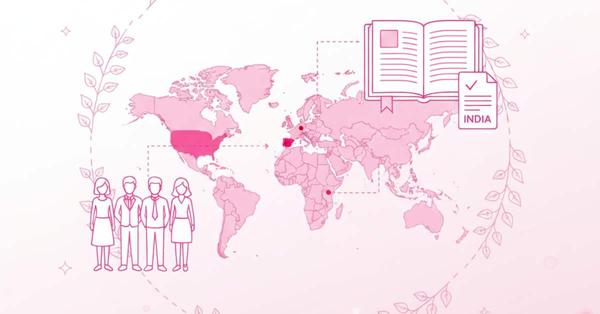
Menstrual leave is no longer a radical idea. Across the world, governments and private organisations are acknowledging that menstrual pain, fatigue, and hormonal fluctuations can affect productivity. Instead of asking women to “push through,” they are offering rest days without stigma.While India has begun this conversation, there is much to learn from global examples that have already succeeded.
Japan introduced menstrual leave as early as 1947, recognising that severe period pain affects women’s ability to work.Key features:
What India can learn:Confidentiality and flexibility are essential. Allow women to request leave without elaborate documentation.
South Korea offers one day of menstrual leave per month, protected under labour law. Women who do not utilise the leave are eligible for extra wages, which motivates employers to respect the policy.
What India can learn:Policies should include clear legal protection so women don’t face informal pressure or teasing at the workplace.
Indonesia’s law allows women two days of leave during the first two days of menstruation.However, implementation is inconsistent in private sectors.
What India can learn:Policies must be made practical and enforceable, ensuring organisations actually follow them.
Taiwan offers:
What India can learn:A hybrid model works well fixed menstrual leave + optional medical leave for chronic conditions like PCOS, endometriosis, and dysmenorrhea.
In 2023, Spain became the first European country to offer paid menstrual leave under national law.Women experiencing debilitating periods due to medical conditions can get medically certified paid leave.
What India can learn:A medical-backed model helps normalise menstrual health as a legitimate medical concern, not an excuse.
Zambia offers women one day off per month without needing to specify the reason. This protects privacy, especially for women who feel uncomfortable mentioning periods in male-dominated workplaces.
What India can learn:Privacy-based policies ensure women don’t feel embarrassed or judged for requesting leave.
A number of organisations across the world have voluntarily introduced menstrual leave:
Their outcomes show:
What India can learn:Change can begin with corporate leadership before it becomes national policy.
Conditions like PCOS, endometriosis, adenomyosis, and dysmenorrhea are common and often untreated.
Many women hesitate to request leave due to embarrassment or fear of appearing “weak.”
Sensitive policies are needed to create psychological safety.
Periods do not reduce productivity; burnout, discomfort, and presenteeism do.
Supporting menstrual health can help more women stay in jobs long-term
Here is a framework India could adopt:
Countries around the world have shown that menstrual leave is not about giving women “extra privileges.” It is about acknowledging biological reality, supporting women's health, and building compassionate workplaces.
India stands at an important moment. With rising conversations on women’s rights, menstrual health awareness, and workplace inclusivity, it is time for India to take inspiration from global models and craft a policy that respects women’s bodies, protects their dignity, and helps them work at their fullest potential.
About PeriodSakhi
PeriodSakhi is your trusted companion for understanding your menstrual health. With easy-to-use tools, it helps you track your periods, ovulation, fertility, moods, and symptoms, while providing insights into your overall reproductive and hormonal health. PeriodSakhi also serves as a supportive online community where women can share experiences, find reliable information, and access expert-backed guidance on menstrual health, PCOS, pregnancy, lifestyle, and more.
Disclaimer
The views, thoughts, and opinions expressed in this article/blog are solely those of the author and do not necessarily reflect the views of PeriodSakhi. Any omissions, errors, or inaccuracies are the responsibility of the author. PeriodSakhi assumes no liability or responsibility for any content presented. Always consult a qualified medical professional for specific advice related to menstrual health, fertility, pregnancy, or related conditions.
Start the conversation
No comments yet. Start the conversation by leaving the first comment!