“Every woman deserves the freedom to choose when, how, and if she wants to become a mother without fear or confusion.”
For decades, contraception has been seen as a one-size-fits-all topic. But in reality, every woman’s body, lifestyle, and health priorities are different. What works beautifully for one may cause side effects or inconvenience for another.
Choosing the right contraceptive method is not about trial and error; it’s about understanding your options medically, emotionally, and practically.
Contraception, or birth control, includes any method that prevents pregnancy by stopping ovulation, blocking sperm, or preventing implantation. Today, there are more options than ever before from daily pills and long-acting devices to hormone-free barriers and fertility awareness methods.
The goal is to help you make an informed, confident choice that aligns with your body, values, and future plans.
“There is no universally ‘best’ contraceptive. The right one depends on your age, menstrual pattern, medical history, and comfort level. Discussing openly with your gynecologist transparency ensures safety.”
— Dr. Akanksha, Dental Surgeon & Women’s Health Writer
Hormonal contraceptives work by regulating or halting ovulation. They are among the most popular and effective options.
The Pill
Taken daily, it contains estrogen and progesterone (or only progesterone). It prevents ovulation and keeps the uterine lining thin.
Best for women who want reliable control and regular cycles.
Missed doses, however, reduce effectiveness.
Injectable Contraceptives
A progesterone shot given every three months. It’s discreet and low-maintenance, but can cause irregular bleeding or delayed fertility return after stopping.
Skin Patches & Vaginal Rings
These slowly release hormones into the bloodstream through the skin or vaginal lining. They offer steady protection for weeks at a time.
In Focus: How Hormones Work
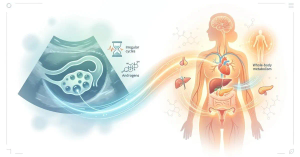
Hormonal contraceptives mimic pregnancy-like hormone levels, suppressing ovulation and thickening cervical mucus so sperm can’t reach the egg. They also make the uterine lining less suitable for implantation.
Small T-shaped devices placed inside the uterus by a trained clinician.
They offer long-term protection from 3 to 10 years and are over 99% effective.
Hormonal IUDs (like Mirena) release levonorgestrel, reducing bleeding and cramps.
Copper IUDs are hormone-free; copper ions act as natural sperm repellents.
These are ideal for women who prefer not to remember daily pills or frequent appointments.
“IUDs are safe, reversible, and suitable even for women who haven’t had children. Mild cramps after insertion are normal and settle within a few days.”
Barrier contraceptives physically prevent sperm from reaching the egg. They’re hormone-free and immediately reversible.
Male & Female Condoms
Also protect against sexually transmitted infections (STIs) — something no other method can promise. Consistent use is key.
Diaphragm & Cervical Cap
Reusable silicone devices inserted before intercourse. Must be used with spermicidal gel for added protection.
Barrier methods are perfect for women who want flexibility and prefer non-hormonal options.
Cycle Smart Box
If you’re tracking your fertile window or using natural methods, condoms are excellent for the fertile phase — allowing body awareness without long-term hormones.
For couples who’ve completed their families, permanent contraception offers lifetime assurance.
Female Sterilization (Tubal Ligation)
The fallopian tubes are blocked or sealed, preventing eggs from meeting sperm. A short surgical procedure, often done laparoscopically.
Male Sterilization (Vasectomy)
A minor outpatient procedure that cuts off sperm supply. It doesn’t affect testosterone or sexual performance.
Both are irreversible in most cases, so they require careful decision-making.
“Sterilization is highly effective but permanent. Take time, seek counseling, and ensure both partners are fully ready before opting for it.”
Natural methods involve understanding your menstrual cycle and identifying fertile days based on basal temperature, cervical mucus, or hormonal cues.
The Fertility Awareness Method (FAM), when practiced correctly, can be up to 98% effective, but requires discipline and daily observation.
Best for women who want to avoid hormones and are comfortable tracking their cycles meticulously.
The “morning-after pill” is a backup option, not a regular one.
It works best within 72 hours of unprotected intercourse, delaying ovulation or preventing fertilization.
It’s safe for occasional use but can cause temporary irregular bleeding.
Myth vs Fact
When choosing contraception, think beyond effectiveness alone. Factors like convenience, side effects, comfort, and cost play crucial roles.
| Category | Duration | Effectiveness | Hormones | Medical Supervision |
| Pill | Daily | 91–99% | Yes | Moderate |
| IUD | 3–10 yrs | 99% | Optional | Yes |
| Condom | Per use | 85–95% | No | None |
| Injection | 3 months | 94% | Yes | Yes |
| Sterilization | Permanent | >99% | No | Yes |
(Effectiveness varies with proper use.)
“If you have PCOS, acne, or painful periods, certain hormonal pills can help regulate cycles. But if you have migraines, hypertension, or clotting risk, non-hormonal options are safer. Always individualize your choice.”
Contraception isn’t purely a physical decision. It affects mood, libido, and relationship dynamics.
Some women feel more empowered on long-acting methods, while others prefer natural awareness and body autonomy.
Your choice may evolve with life stages and that’s perfectly normal.
Taking time to review options with your partner or healthcare provider ensures both practicality and peace of mind.
From smart contraceptive rings to male hormonal pills under development, the field is evolving rapidly.
In India, awareness about safe contraception is growing, but open conversations are still limited. Apps and digital wellness platforms are helping bridge that gap by normalizing reproductive discussions.
Wellness Insight Box
Remember: Contraception is self-care. Protecting your reproductive health is not shameful, it’s responsible. Choosing a method that feels right for your body is an act of respect toward yourself.
Choosing the right contraception is about balance, body awareness, and informed decision-making.
No method is perfect, but every woman deserves one that aligns with her health and values.
Be patient while your body adjusts, stay consistent, and always consult your doctor if you experience irregular bleeding, mood changes, or discomfort.
“The right contraceptive doesn’t just prevent pregnancy, it preserves your freedom, your comfort, and your confidence.”
About PeriodSakhi
PeriodSakhi is your trusted companion for understanding your menstrual health. With easy-to-use tools, it helps you track your periods, ovulation, fertility, moods, and symptoms, while providing insights into your overall reproductive and hormonal health. PeriodSakhi also serves as a supportive online community where women can share experiences, find reliable information, and access expert-backed guidance on menstrual health, PCOS, pregnancy, lifestyle, and more.
Disclaimer
The views, thoughts, and opinions expressed in this article/blog are solely those of the author and do not necessarily reflect the views of PeriodSakhi. Any omissions, errors, or inaccuracies are the responsibility of the author. PeriodSakhi assumes no liability or responsibility for any content presented. Always consult a qualified medical professional for specific advice related to menstrual health, fertility, pregnancy, or related conditions.
Start the conversation
No comments yet. Start the conversation by leaving the first comment!